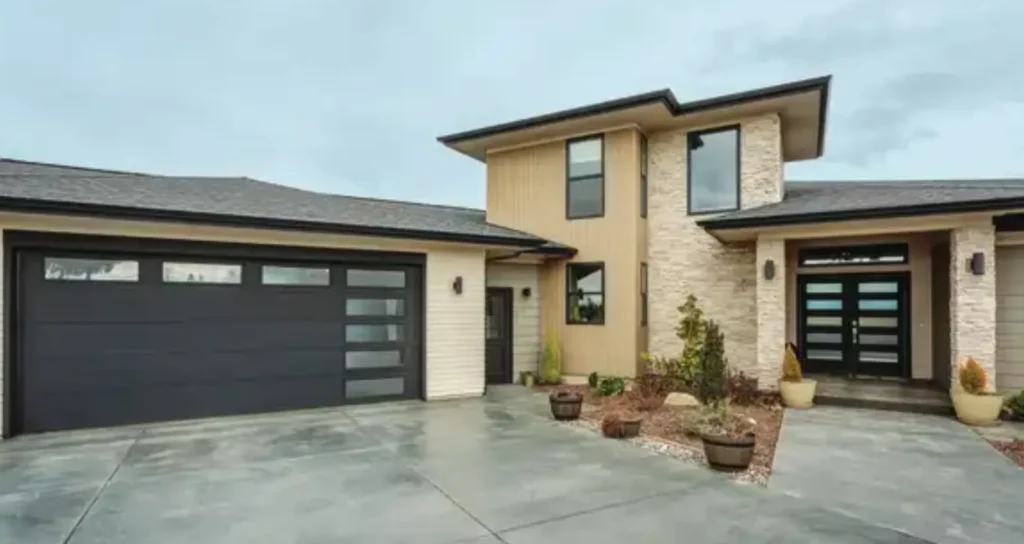
Preventive maintenance for garage doors means regular inspections, lubrication, basic testing, and small adjustments to keep doors safe and dependable. When you check things routinely, you prevent surprises, lengthen the life of parts, and keep repair costs down — while helping your building stay energy efficient and look well cared for. In the Sacramento area, where heat, dust, and seasonal moisture are factors, tailoring maintenance to local conditions prevents accelerated wear and keeps automatic safety systems working as they should. This guide explains why maintenance matters, gives a clear checklist, walks through safe DIY tasks, and shows when to call a pro. You’ll also find Sacramento-specific seasonal tips and guidance on how often to schedule professional inspections and what to expect during a service visit. Topics like garage door maintenance checklist, lubrication guide, torsion spring care, and balance testing are included so you can take straightforward action.
Why Is Garage Door Preventive Maintenance Important?
Routine maintenance keeps the door’s moving parts aligned, lubricated, and safe so small issues don’t turn into big, costly failures. Regular checks reduce wear on components like torsion springs, rollers, hinges, and tracks, and ensure safety sensors and the automatic reverse system work correctly. Proper maintenance also preserves weatherstripping and seals that affect heating and cooling — useful if your garage is conditioned. Spending a little time now lowers lifetime costs, cuts emergency repairs, and improves everyday convenience and curb appeal. For Sacramento homeowners and business owners, factoring in dust, heat, and wet seasons into your schedule helps prevent premature wear and keeps doors performing reliably for years.
If you prefer professional help, Overhead Door Company of Sacramento is an authorized Overhead Door™ distributor providing sales, installation, repair, and parts across regional counties. Our trained, uniformed technicians arrive in equipped company trucks, which is helpful for more complex maintenance. That local credential supports the safety and performance advice here and gives readers a clear next step if they want a preventive plan. Knowing what to inspect helps you act quickly and confidently.
What Are the Key Benefits of Regular Garage Door Maintenance?
Regular maintenance delivers clear benefits: better safety, longer component life, and fewer costly repairs. Safety improves when photo-eye sensors and auto-reverse are tested and adjusted properly, reducing the risk of entrapment. Longevity increases because lubrication and alignment prevent abrasive wear on rollers, tracks, and springs, delaying replacements. You save money by catching small issues — worn weatherstripping or a misaligned track — before they cause major failures or emergency calls. In Sacramento’s dusty, hot climate, a proactive schedule reduces repair frequency and keeps your door working smoothly day to day.
How Does Sacramento's Climate Affect Garage Door Performance?
Sacramento’s hot, dry summers with dust and cooler, wetter periods affect garage door parts and change what you should prioritize. Heat can thin lubricants, cause metal expansion, and shrink weatherstripping; dust and grit increase abrasive wear on rollers and tracks. During wet months, moisture can cause surface corrosion and affect opener electronics if seals and drainage aren’t maintained. Adjusting your maintenance cadence — more lubrication in dusty months and rust checks after wet spells — helps counter these stresses. Paying attention to local seasons ensures your actions meaningfully extend component life and keep safety systems reliable.
What Is Included in a Comprehensive Garage Door Maintenance Checklist?
A complete maintenance checklist combines a visual inspection, lubrication of moving parts, safety testing, cleaning, and weatherproofing to cover both components and system-level functions. Start with safety items — photo-eyes and auto-reverse — then move to mechanical parts like springs, rollers, hinges, tracks, and the opener drive. Cleaning and checking weatherstripping preserve seals and energy efficiency. Document any issues with notes or photos to make follow-up repairs faster. Below is a scannable checklist followed by a quick reference table for frequency and priority.
Use this checklist to guide a single tune-up session: begin with safety checks and finish with an operational test.
- Test safety sensors and auto-reverse: Confirm sensors detect objects and the door reverses.
- Inspect torsion springs and cables for visible damage: Look for rust, gaps, or fraying; don’t attempt tensioned spring work yourself.
- Clean and lubricate rollers, hinges, and bearings: Remove debris and apply the recommended lubricant.
- Check tracks and alignment: Make sure tracks are free of dents and securely fastened with no binding.
- Inspect weatherstripping and seals: Replace or reseat worn seals to keep energy loss and drafts down.
- Operate the opener and check force settings: Verify smooth operation and safe force settings without manual binding.
This order provides a safe, logical flow — start with safety, then mechanics, and finish with seals and opener checks to confirm everything functions as it should.
| Component | Maintenance Task | Frequency / Priority |
|---|---|---|
| Photo-eye sensors | Clean lenses and test auto-reverse with an object test | Every 3 months / High |
| Rollers & hinges | Remove debris, inspect for wear, lubricate non-bearing rollers | Every 6 months / Medium |
| Torsion springs & cables | Visual check for rust, gaps, fraying; document issues for professional evaluation | Annually / High |
| Tracks | Clear debris, check alignment, tighten fasteners | Annually or as needed / Medium |
| Weatherstripping | Inspect for cracks or shrinkage; replace worn strips | Annually / Medium |
This table helps you prioritize: address high-priority items like sensors and springs immediately, and book medium-priority tasks during your regular tune-up.
How to Visually Inspect Garage Door Components for Wear and Damage
A visual inspection catches early signs of wear. Work methodically: check exterior panels, hardware, tracks, springs, and sensors. Look for dents that can misalign rollers, rust or corrosion on springs and cables, frayed cable strands, and loose or missing fasteners. For tracks, watch for dents, misalignment, or buildup that could interrupt smooth travel and ensure mounting brackets are secure. Photograph and note any problems for technicians. If you see critical signs — visible spring gaps, severed cables, or badly deformed tracks — stop any DIY adjustments and call a professional, as these are high-risk conditions that need special tools.
Careful inspections help you decide which issues are manageable and which require pro attention, creating a clear plan for repairs.
Which Garage Door Parts Require Regular Lubrication and How Often?
Key moving parts that need lubrication include rollers, hinges, bearings, and certain opener drive components. Choose lubricants that handle local temperature swings and dust exposure — silicone or white lithium are common choices — and avoid heavy grease on tracks where it attracts dirt. Apply lubricant sparingly to metal rollers, hinges, and bearings about every six months under normal use; for high-use doors or dusty conditions, every 3–4 months may be better. Wipe away excess to prevent buildup. Don’t attempt to oil or adjust torsion springs under tension — spring work usually requires a professional.
Below is a quick comparison of recommended lubricants and safety notes.
| Component | Recommended Lubricant | Notes / Warnings |
|---|---|---|
| Metal rollers & hinges | White lithium or silicone spray | Apply sparingly; wipe excess to avoid attracting dust |
| Opener drive & chains | Light machine oil (chain) or silicone for screw drives | Follow the opener manufacturer’s guidance to avoid damage |
| Bearings & pivot points | Silicone or white lithium grease | Do not use heavy automotive grease on exposed parts |
| Torsion springs | Specialized spring lubricant or a light protective coating | Do not adjust springs yourself; seek professional service |
Choose lubricants suited to metal moving parts and your climate, and avoid common misapplications that attract dust or require cleanup.
How Do You Perform Essential Garage Door Maintenance Tasks?
Safe maintenance requires the right tools, a clear routine, and an understanding of what not to touch — especially springs and cables. Start by disconnecting the opener and visually confirming the door is balanced before making adjustments. Follow a step-by-step flow for lubrication, inspection, and sensor testing, and leave spring or cable tensioning to trained technicians, since those parts store hazardous energy. A consistent routine reduces mistakes and keeps your door reliable and safe.
The short instructions below outline a practical tune-up and list tools, estimated times, and safety notes.
- Prepare tools and safety gear: Gather silicone spray or white lithium, clean cloths, a socket set, ladder, and eye protection.
- Visual inspection first: Scan panels, tracks, springs, cables, and sensors and document any problems.
- Clean tracks and components: Remove debris and wipe tracks; avoid lubricating the inside of tracks.
- Lubricate moving parts: Apply lubricant to rollers, hinges, and bearings; wipe excess and operate the door to spread it evenly.
- Test safety features: Perform the auto-reverse object test and check sensor alignment; adjust housings if needed.
This repeatable process balances homeowner safety with effective maintenance and helps you know when to call a professional.
| Component | Recommended Lubricant | Estimated Time / Safety Notes |
|---|---|---|
| Rollers & hinges | Silicone spray or white lithium | 15–30 minutes per door; wear gloves and eye protection |
| Opener chain/drive | Light machine oil (chain) or silicone | 10–20 minutes; consult opener manual for force settings |
| Bearings / pivot points | White lithium grease | 10–15 minutes; wipe excess to prevent dust buildup |
If a task feels beyond your comfort or competence — especially anything involving torsion springs — call a professional for safe handling.
What Are the Step-by-Step Instructions for Lubricating Rollers, Springs, and Hinges?
Start with preparation: clear vehicles from the door path, disconnect opener power, and wear gloves and eye protection. Wipe rollers, hinges, and pivot points with a clean cloth to remove grit, then apply a light coating of silicone or white lithium to bearings, hinge pins, and metal rollers — avoid spraying lubricant inside plastic rollers or directly on track interiors. Move the door manually to distribute the lubricant, then run the opener to confirm smoother, quieter travel. Never try to lubricate or adjust torsion springs while they’re under tension — have a professional inspect and service springs when needed.
These steps reduce friction and extend part life while keeping safety front and center; next, test balance and sensors to confirm everything is working properly.
How to Test Garage Door Balance and Safety Features Like Auto-Reverse and Sensors?
To test balance, disconnect the opener and lift the door halfway. A properly balanced door will hold its position; if it rises or falls, that’s a sign spring tension needs professional adjustment. To test auto-reverse, place a 2×4 or similar obstruction on the threshold and close the door — it should reverse immediately on contact. For photo-eye sensors, check alignment and clean the lenses; the door should reverse when the beam is interrupted. If balance or safety tests fail, stop DIY adjustments and schedule a professional inspection to address spring tension, opener force settings, or sensor replacement safely.
Clear test results tell you whether routine maintenance is enough or if trained technicians must intervene to restore safe operation.
When Should You Choose DIY Maintenance vs. Professional Garage Door Service?
Decide based on risk, tools required, and whether a component stores dangerous energy. Low-risk jobs — cleaning tracks, lubricating exposed non-spring parts, and testing sensors and auto-reverse — are suitable for most homeowners with basic tools and PPE. High-risk work like torsion spring adjustments, cable replacement, opener motor disassembly, or major track realignment needs specialized tools and training because it involves stored energy or critical alignment. Use the decision table below to help choose what you can safely do and what needs a pro.
The table helps homeowners and facility managers triage tasks and make safe choices about when to hire qualified technicians.
| Task | DIY-safe? | Risk Level / Recommended Professional Action |
|---|---|---|
| Cleaning tracks & debris | Yes | Low risk; homeowners can perform with basic tools |
| Lubricating rollers & hinges | Yes | Low to medium risk; follow lubricant guidance |
| Testing sensors & auto-reverse | Yes | Low risk; perform object and beam tests |
| Torsion spring adjustment | No | High risk; requires a trained technician with spring tools |
| Cable replacement or major alignment | No | High risk; professional service recommended |
What Garage Door Tasks Are Safe for Homeowners to Perform?
Homeowners can handle inspections, cleaning, lubrication of non-spring parts, sensor testing, and simple fastener tightening when they follow PPE and tool guidance. Typical tasks include wiping tracks, removing debris, lubricating hinges and metal rollers, and checking weatherstripping for wear — all while wearing eye protection and gloves and avoiding pinch points. If you find serious imbalance, a damaged spring, frayed cable, or persistent binding, stop and call a professional — those are signs of high-risk mechanical issues. Doing only recommended low-risk actions and documenting problems helps technicians diagnose and repair issues faster.
When stored-energy hazards or complex alignment issues arise, professional service protects safety and prevents costly mistakes.
Why Hire Overhead Door Company of Sacramento for Professional Maintenance?
When maintenance goes beyond safe DIY work or requires genuine parts and trained technicians, a qualified partner matters. Overhead Door Company of Sacramento is an authorized Overhead Door™ distributor serving residential and commercial customers across multiple counties. Our trained, uniformed technicians arrive in fully equipped trucks to complete repairs and preventive maintenance efficiently. Benefits include access to authorized parts, experienced craftsmanship, financing options for larger projects, and emergency repair service for urgent breakdowns. If you want trusted local service for preventive plans or complex repairs, requesting a maintenance quote or scheduling an inspection is a practical next step.
These capabilities back the recommendation to use experienced, authorized providers when safety, warranty parts, or full diagnostics are required.
What Are Seasonal Garage Door Maintenance Tips Specific to Sacramento?
Seasonal maintenance in Sacramento adjusts preventive tasks for hot, dusty summers and cooler, wetter months so climate-related wear is limited and performance stays reliable. In summer, focus on dust control, more frequent lubrication, and inspecting weatherstripping for heat shrinkage; keep sensor lenses clean to avoid false obstruction signals. In cooler, wet seasons, prioritize corrosion checks, drainage and sill care, and protecting electrical components and sensor housings from moisture. Increase inspection frequency during extreme seasons or high-use periods to catch climate-accelerated wear before it becomes a failure.
Tailoring maintenance by season reduces stress on moving parts and electronics and keeps the door safe and efficient year-round.
How to Prepare Your Garage Door for Summer Heat and Dust?
Prep for summer with a short action plan: remove dust from tracks and rollers with a brush and vacuum to prevent grit from abrading parts, then apply a light coat of silicone or white lithium to metal rollers and hinges. Check weatherstripping and seals for heat-related shrinkage or cracks and replace any compromised sections to keep out dust. Clean photo-eye lenses and test the auto-reverse — clear sensors reduce false readings in dusty conditions. A focused summer tune-up helps the door run smoothly through high temperatures.
These steps reduce mid-season problems and keep daily operation predictable.
What Maintenance Steps Are Recommended for Cooler or Wet Seasons?
In cooler or wet seasons, focus on corrosion prevention, moisture control, and drainage. Inspect metal parts for surface rust and remove light corrosion, then apply appropriate rust inhibitors following product instructions; document more serious corrosion for professional repair. Check garage floor and threshold drainage so water doesn’t pool against weatherstripping, and confirm sensor housings and opener components are dry and corrosion-free. If moisture has affected opener electronics or sensors, schedule a professional inspection to avoid intermittent failures and restore safe operation.
Taking these wet-season steps protects moving parts and electronics and maintains the door’s weather resistance and safety.
Where and How to Schedule Professional Garage Door Preventive Maintenance Services?
Industry guidance calls for at least one professional inspection per year for most residential doors, with more frequent service for high-use commercial doors or sites in harsh climates. Expect a professional visit to include a visual inspection, safety tests (auto-reverse and sensors), lubrication of specified components, adjustment of opener force settings if needed, and a written list of recommended repairs or part replacements. When booking, tell the dispatcher about observable symptoms or recent irregularities so technicians can bring the right parts and tools. A thorough professional inspection reduces emergency repairs and creates a record of the door’s condition for your maintenance files.
Knowing what professionals do during a preventive visit helps you prepare and get the most value from the service call.
How Often Should You Schedule Professional Garage Door Inspections?
As a baseline, schedule a professional inspection at least once a year for residential doors and consider semi-annual visits for high-use commercial doors or properties exposed to harsh conditions. Increase frequency if you see warning signs — noisy operation, uneven travel, failing auto-reverse tests, visible spring issues, or repeated sensor faults — since these indicate accelerating wear. Sacramento properties subject to heavy dust or seasonal extremes may benefit from service every 6–9 months to maintain peak performance. Regular inspections build a maintenance history that reduces emergency downtime and extends component life.
Adjust inspection intervals based on use, door age, and local climate so minor issues are caught before they turn into major or dangerous failures.
What Are the Benefits of Scheduling Maintenance with Overhead Door Company of Sacramento?
Scheduling preventive maintenance with a qualified local provider delivers operational and trust benefits that matter to homeowners and businesses. Overhead Door Company of Sacramento provides trained technicians who arrive in fully equipped trucks and have access to authorized parts, ensuring accurate repairs and compatible replacements. The company offers emergency repair options and financing to handle larger projects, giving both fast response and flexible payment choices. If you want confidence that safety and performance checks are thorough and parts are appropriate, requesting a maintenance quote from a local authorized distributor is a sensible next step.
These advantages combine technical capability, parts access, and practical scheduling to make preventive maintenance a solid investment in safety and longevity.
How Often Should You Schedule Professional Garage Door Inspections?
(Repeat H3 intentionally included in structure) A professional inspection cadence normally follows industry guidance: annual checks for most homeowners, with semi-annual or quarterly visits for heavy-use commercial doors or sites in harsh environments. Increase inspection frequency when doors show early warning signs like unusual noises, reduced responsiveness, visible spring anomalies, or sensor faults. Sacramento doors exposed to dust and heat may need inspections every 6–9 months, while low-use, well-maintained doors may remain on an annual schedule. Keeping records of inspection dates and findings helps refine intervals and ensures timely attention when wear patterns appear.
This proactive scheduling reduces unexpected failures and keeps safety systems verified on a predictable cadence.
What Are the Benefits of Scheduling Maintenance with Overhead Door Company of Sacramento?
(Repeat H3 intentionally included in structure) Choosing a local authorized distributor means work is done by trained technicians using appropriate parts and methods tailored to regional conditions. Overhead Door Company of Sacramento’s uniformed technicians and fully equipped trucks allow efficient on-site diagnosis and repair, and authorized distributor status grants access to premium materials for longer-lasting replacements. Services include emergency repairs and financing to manage larger maintenance or replacement projects without delay. For homeowners and businesses seeking dependable preventive maintenance, requesting a service estimate helps prioritize safety and long-term performance.
These concise trust signals make it easier for property owners to decide when professional preventive maintenance is the right choice and how it supports safer, more reliable operation.
Frequently Asked Questions
1. What are the signs that my garage door needs maintenance?
Look for unusual noises, slow or jerky movement, or visible wear on springs, cables, rollers, or tracks. If the door won’t open or close fully, or the auto-reverse doesn’t work, those are critical signs maintenance is needed. Regular checks help you catch problems early and keep the door safe to use.
2. How can I improve the lifespan of my garage door?
Extend your door’s life with regular maintenance: lubricate moving parts, inspect for wear, clean tracks, and repair issues promptly. Keep weatherstripping intact to block moisture and dust. Scheduling a professional inspection at least once a year helps spot problems early before they become costly.
3. What should I do if my garage door is off its tracks?
If the door has come off its tracks, stop using it to avoid further damage or injury. Don’t try to force it back on yourself — this can be dangerous. Call a professional technician to realign the door and check for underlying damage.
4. Are there specific lubricants I should avoid when maintaining my garage door?
Avoid heavy greases or oils that attract dust and dirt. Do not oil the inside of tracks — that can create a sticky surface. Use silicone-based or white lithium lubricants for garage door components to reduce friction without drawing debris.
5. How can I tell if my garage door opener is functioning properly?
A properly functioning opener moves the door smoothly without excessive noise or hesitation. Test the auto-reverse by placing an object in the door’s path; the door should reverse immediately. Also check force settings so the opener doesn’t need excessive force to operate, which could signal a problem.
6. What are the risks of neglecting garage door maintenance?
Neglect can lead to mechanical failures, safety hazards, and costly repairs. Springs and cables can fail unexpectedly, creating risk of injury or property damage. A poorly maintained door may also be less energy efficient and reduce curb appeal. Regular maintenance reduces these risks and keeps operation reliable.
7. Can I perform all maintenance tasks myself, or should I hire a professional?
Many basic tasks — cleaning, lubricating non-spring parts, and testing sensors — are DIY-friendly. High-risk jobs like adjusting torsion springs, replacing cables, or major realignment should be handled by pros with the right tools and training. If you’re unsure, it’s safer to call a professional.
Conclusion
Regular preventive maintenance keeps garage doors safer, lasting longer, and costing less over time. Following a simple, season-aware plan suited to Sacramento’s climate will help your door perform reliably year-round. If you want help or prefer a pro tune-up, Overhead Door Company of Sacramento offers experienced technicians, authorized parts, and service plans to keep your door operating smoothly. Schedule maintenance now to protect your investment and enjoy greater peace of mind.