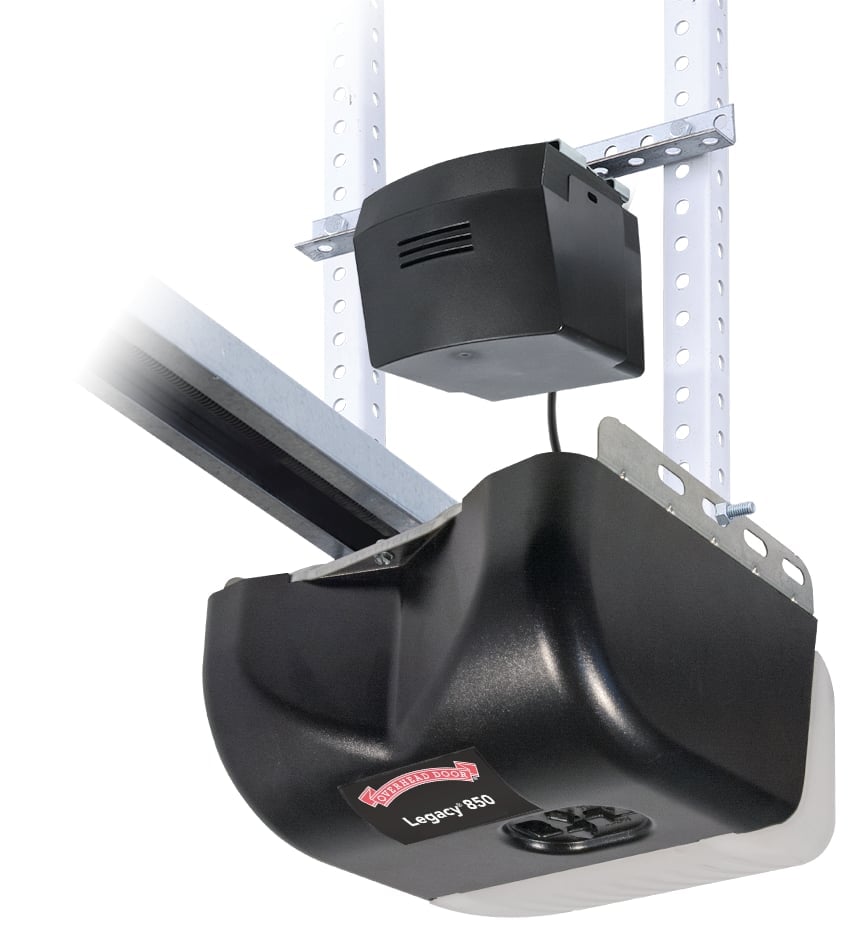
Smart garage door openers connect your garage to your phone and smart-home systems over Wi‑Fi, giving you remote control, instant alerts, and automated security actions. This guide shows how smart openers strengthen home security through remote access, rolling‑code encryption, real‑time notifications, and integrations with cameras and voice assistants. They solve everyday problems—like accidentally leaving the door open or needing temporary access for deliveries—while adding detection and event logs that traditional openers don’t offer. You’ll find practical advice on core security features, advanced protections that reduce common risks, how smart openers fit into home automation, and simple maintenance steps to keep the system secure. Sections cover definitions, feature breakdowns, integration examples with a note on professional installation, buying guidance with comparative tables, and maintenance/troubleshooting tips to keep your system reliable. Keywords such as smart garage door openers, wifi garage door opener remote access, and garage door security camera integration are used to make this useful for homeowners exploring upgrades today.
What Are Smart Garage Door Openers and How They Improve Security
Smart garage door openers are traditional opener systems with built‑in networking and a companion app, letting you monitor and control garage access from anywhere. They raise security by replacing fixed remote codes with encrypted signals, pushing real‑time notifications for activity, and integrating with cameras and sensors to verify deliveries or spot forced entry. These systems address common risks—forgotten openers, lost remotes, and unnoticed door activity—by giving you immediate awareness and the tools to act remotely. Below are the primary security advantages homeowners get when they upgrade to a smart opener.
Remote Control and Monitoring: Check door status and open or close it from your phone so you can fix a forgotten opening or confirm access while away.
Encrypted Access and Rolling Codes: Dynamic codes and encrypted commands replace static remotes to stop replay and cloning attacks.
Real‑Time Alerts and Logs: Push notifications and event histories let you spot unusual activity and see who used the door.
Those benefits depend on deeper technical features—encryption, sensors, and logs—that we’ll unpack next, showing how each element reduces specific security threats.
What Makes a Smart Garage Door Opener — Key Security Components
A smart opener pairs the motor and drive of a traditional system with networking hardware, a mobile app, and built‑in security features for access control and monitoring. Core parts include a Wi‑Fi or hub module, an authenticated mobile app, sensors (photoeyes and magnetic position sensors) to detect obstructions and position, and often rolling‑code radio for secure remote signals. Together these layers protect against accidental openings, block replay attacks, and let you control who can operate the door when app security is set up correctly.
To get the expected protection, configure the app with strong credentials, enable two‑factor authentication where offered, and install firmware updates promptly. Knowing what each component does helps when you compare models and plan installation—topics we cover next under remote access and practical safeguards.
How Smartphone Remote Access Strengthens Garage Security
Remote access via your smartphone gives fast control and visibility for issues like forgotten doors, unattended deliveries, or unauthorized use of a lost remote. From the app you can check status, close the door, and issue temporary or scheduled access through time‑limited virtual keys. Features like geofencing can close the door when you leave or open it as you arrive, and permission controls let you revoke access instantly. For best security, enable two‑factor authentication, use strong unique passwords, and keep both app and opener firmware up to date.
These capabilities shorten the time between detection and response—turning remote access into a meaningful security control rather than a convenience. When combined with activity logs and alerts, remote access also creates an audit trail useful for spotting unusual patterns and taking follow‑up action.
Which Advanced Security Features Protect Your Home with Smart Openers?
Smart openers offer several advanced features that address different threats—some block unauthorized entry, others improve detection and evidence collection. Below we explain the most effective features and the specific security benefit each provides, plus a compact EAV table to help you prioritize based on threat reduction and practical value.
The following table summarizes how key features operate and their security impact:
Feature | How it Works | Security Benefit |
|---|---|---|
Rolling Code Technology | Uses a changing code for each remote press that syncs with the opener | Thwarts replay attacks and prevents cloned remotes |
Real‑Time Alerts & Activity Logs | Sends notifications and records timestamps for open/close events | Enables fast response and supports post‑event review |
Camera & Sensor Integration | Starts short video clips or snapshots when motion or door movement is detected | Provides visual verification and evidence for incidents |
How Rolling Code Technology Blocks Unauthorized Access
Rolling codes swap a fixed radio signal for an algorithm that changes the code every time you use the remote, creating a moving target for attackers. Unlike static codes that can be recorded and replayed, rolling codes require synchronized sequence checks and cryptographic safeguards, making cloned or replayed signals ineffective. Think of it like a password that changes with every use—old credentials become useless. For homeowners, this cuts the risk from common RF‑based attacks and complements secure mobile authentication.
When shopping, prioritize openers that advertise rolling‑code compliance and pair that feature with prompt firmware updates and secure app practices for a stronger overall defense.
Why Real‑Time Alerts and Activity Logs Matter
Alerts and logs turn your opener into an active security sensor by notifying you of door events and keeping timestamped records for review. Alerts can notify you about openings, failed attempts, or sensor faults; logs show who used the door when shared virtual keys are in play, supporting anomaly detection and accountability. Configure notifications to avoid alert fatigue and set sensible retention for logs. Linked camera snapshots or short videos attached to alerts give immediate evidence to confirm deliveries or investigate suspicious activity.
Using alerts and logs for routine checks and incident response closes the loop between detection and action—an essential practice for continuous home security and peace of mind.
How Smart Home Integration Strengthens Garage Security
Connecting your opener to a smart home ecosystem expands its capabilities: automated responses, contextual awareness, and centralized control that cut risk and speed reactions. Voice assistants, security cameras, alarm panels, lighting, and geofencing can work in concert so an unexpected opening triggers lights, records video, and sends an alert. That orchestration improves situational awareness and enables automated deterrents—like turning on exterior lights if the garage opens after dark—to discourage opportunistic intruders. Below are common integrations and the practical safety role each plays.
Common integrations and their security roles:
Voice Assistants: Provide hands‑free status checks and commands; restrict opening commands or require a PIN for safety.
Security Cameras: Offer visual confirmation and recorded evidence linked to door events.
Lighting & Alarm Systems: Automate deterrence and escalate alerts when anomalies occur.
Integration increases visibility and automation, but professional setup reduces misconfiguration risks and ensures compatibility with your existing systems. For authorized installation and local expertise, Overhead Door Company of Sacramento provides factory‑trained technicians across Sacramento and nearby counties. Our team can advise on secure integration paths, install compatible openers, and verify camera and sensor links so your security features work as intended.
Is Voice Control via Alexa or Google Assistant Safe?
Voice control is convenient for quick status checks and hands‑free commands, but it can be risky if open commands run without safeguards. Best practice is to limit open commands behind a voice PIN or to disable opening via voice and use voice assistants mainly for status checks and closing commands. When configured conservatively, voice control improves safety by letting you confirm door status quickly while ensuring any voice‑initiated action creates an alert and log entry.
These precautions balance convenience with security so voice features help without becoming an easy attack vector.
Why Connect Your Opener to Cameras and Sensors?
Linking cameras and sensors combines motion detection, door status, and video to create context‑rich alerts and reduce false alarms. When a sensor detects movement, the system can capture a short clip from a nearby camera and attach it to the alert—helpful for confirming deliveries or spotting suspicious behavior. Combining photoeyes, magnetic position sensors, and motion detectors improves detection accuracy and cuts nuisance alerts. Be mindful of privacy and retention settings: store only needed clips and place cameras to cover entry points without invading private spaces.
Sensor and camera integration turns alerts into actionable intelligence so you can close the door remotely, call authorities, or confirm a delivery while keeping privacy controls in place.
Why Choose Overhead Door Company of Sacramento for Installation?
Overhead Door Company of Sacramento is the authorized Overhead Door™ distributor for the region, providing residential and commercial garage door sales, installation, repair, and parts through trained technicians. Using an authorized installer gives you genuine parts, proper warranty support, and technicians who follow manufacturer standards to preserve security features like rolling‑code sync and app pairing. Local coverage, stocked service trucks, free estimates, and flexible financing make it easy to get a secure system installed with professional follow‑through.
Local service advantages include:
Authorized Distributor Access: OEM parts and warranty support for long‑term reliability.
Technician Expertise: Trained, uniformed technicians who follow thorough installation and troubleshooting procedures.
Customer Convenience: Free estimates, flexible financing, and service across multiple Sacramento‑area counties.
If you’re ready to schedule installation or request a quote, we handle service inquiries at our Sacramento office and can arrange on‑site estimates to review model compatibility and integration needs. Our technicians verify app pairing, sensor alignment, and rolling‑code operation during installation so your smart opener’s security features work correctly from day one.
What Local, Authorized Services Do We Offer?
As an authorized distributor, Overhead Door Company of Sacramento delivers sales, installation, repair, and parts with manufacturer warranty support and trained technicians who carry key components for efficient service calls. Authorization means we can source OEM replacement parts and follow factory procedures, which helps preserve rolling‑code integrity and accessory compatibility. We offer free estimates and financing to help plan upgrades without surprises, and service coverage across Sacramento and neighboring counties to support local homeowners. These capabilities reduce downtime and provide a clear path for warranty service or parts replacement when needed.
Quality installation affects both mechanical reliability and security features—relying on authorized technicians reduces the chance of configuration errors that could weaken encrypted signals or app authentication.
How Our Technicians Make Sure Your System Is Secure and Working
Technicians use a verification checklist that covers sensor alignment, photoeye testing, manual release checks, app pairing, rolling‑code validation, and a homeowner demonstration to confirm security and usability. On‑truck inventory means common parts and compatible accessories are available during the visit, reducing return trips and speeding up secure installations. After install, technicians review account security steps—like enabling two‑factor authentication and updating passwords—and document tests and any follow‑up recommendations. Warranty support and follow‑up processes address post‑installation issues to keep you satisfied with both performance and security.
These steps turn purchase and installation into a security‑focused service, protecting homeowners from avoidable misconfigurations and ensuring the opener integrates correctly with cameras and smart‑home systems.
How to Choose the Best Smart Garage Door Opener for Your Home
Pick an opener based on drive type, required security features, compatibility with your network and cameras, and manufacturer firmware support. Drive options—belt, chain, or screw—affect noise, durability, and vibration transfer to living spaces; also consider battery backup and accessory support. Prioritize models with rolling codes, camera/sensor integration, a reliable update schedule, and clear security controls such as two‑factor authentication.
Below is a comparison table to help match opener models to common homeowner scenarios by security attributes and practical suitability.
Opener Model / Type | Security Attributes | Best‑For |
|---|---|---|
Belt Drive Smart Opener | Quiet operation; supports rolling codes and battery backup | Garages attached to living spaces |
Chain Drive Smart Opener | Durable and cost‑effective; supports standard smart modules | Detached garages or budget‑minded installs |
Screw Drive Smart Opener | Fewer moving parts; moderate noise; compatible with smart controllers | Low‑maintenance setups |
This comparison highlights trade‑offs: choose belt drive for quiet performance in attached garages, chain drive when cost is the priority, and confirm that any model you consider supports the security features you need and receives firmware updates.
If you want professional guidance, Overhead Door Company of Sacramento can assess your garage, recommend compatible openers, and handle installation and post‑install testing so the chosen model’s security features are configured and integrated correctly.
Drive Types: Belt, Chain, and Screw — What’s the Difference?
Belt drive openers use a reinforced rubber belt for smooth, quiet operation—ideal when the garage is under living areas—and typically support advanced accessories and battery backup. Chain drive openers use a metal chain for strong lifting power at a lower cost but are noisier and may need more lubrication and adjustment. Screw drive openers move a trolley along a threaded steel rod with simpler mechanics, moderate noise, and fewer routine maintenance needs. Each drive type works with smart controller modules and rolling codes differently, so confirm security and backup options for the exact model you choose.
Choosing the right drive balances noise, maintenance, and how important uninterrupted operation is during outages—decisions that directly affect both security and daily convenience.
How to Evaluate Brands and Models for Security
Instead of focusing on individual models, evaluate brands by clear criteria: documented support for rolling code technology, a published firmware update policy, camera and sensor integration capability, battery backup options, and robust app security controls (two‑factor authentication and user permission management). Trusted brands publish update schedules and work with authorized installers who can perform secure pairing and warranty repairs—strong signs of long‑term security support. Compare manufacturer feature lists against your installation needs and favor products with reliable update paths and accessory ecosystems.
If you prefer in‑home help, a professional installer can confirm model compatibility with your cameras, network, and backup power to avoid surprises and ensure the system meets your security needs.
Maintenance and Troubleshooting to Keep Your Smart Opener Secure
Regular maintenance preserves mechanical reliability and the security posture of smart openers by keeping sensors, batteries, and firmware current. Regular checks include testing photoeyes and magnetic sensors for alignment, verifying app connectivity and firmware versions, running the door to listen for unusual noises or binding, and testing the battery backup so the door remains secure during outages. Common issues—like app connectivity drops, intermittent sensor faults, or motor strain—have homeowner triage steps, but some repairs require a technician to stay safe and protect warranty coverage.
The table below lists components, typical issues, and quick fixes to help you triage problems and know when to call a professional.
Component | Common Issue | Quick Fix / When to Call Pro |
|---|---|---|
Photoeye Sensors | Misalignment or dirt causing false obstruction | Clean lenses and realign; call a technician if problems persist |
Battery Backup | Fails to operate during an outage | Test monthly; replace per manufacturer schedule or call for installation |
App Connectivity | Dropped connection or login errors | Restart router and app, update firmware; call a pro for persistent issues |
Why Battery Backup and Sensor Calibration Matter
Battery backup keeps the opener working during power outages so your garage stays secure when mains power fails. Sensor calibration—accurate alignment and sensitivity for photoeyes and magnetic sensors—prevents false reopens and ensures the door stops or reverses on obstructions, protecting people and property. Test backups and sensors monthly: simulate a short outage to verify battery function and visually confirm sensor alignment while checking reversal behavior with a small obstruction. If calibration or battery replacement is needed, schedule a professional inspection to preserve safety and warranty coverage.
Regular verification reduces failure modes that can create security gaps in critical moments and helps keep your system operating safely and reliably.
Common Problems and Efficient Fixes
Typical smart opener issues include app connectivity drops, router interference, failed cycles from misaligned sensors, and mechanical problems—like worn springs or track binding—that can look like smart faults. Triage steps are: reboot your router and mobile device, check for app and firmware updates, clean and inspect sensors, and manually test door balance and travel. If noises, uneven motion, or ongoing connectivity issues persist after those checks, call a qualified technician—especially for spring or cable work, which can be dangerous. A professional visit ensures a correct diagnosis, safe repair, and verification of smart integrations like camera triggers and rolling‑code sync.
If you need help with sensor calibration, battery backup installation, or troubleshooting persistent connectivity or mechanical issues, Overhead Door Company of Sacramento’s technicians can perform these services and run follow‑up tests to restore secure operation. Contact our Sacramento office for estimates and scheduling.
Frequently Asked Questions
1. How do smart garage door openers integrate with home automation systems?
Smart openers connect with home automation devices—security cameras, smart lighting, and alarms—to coordinate responses. For example, an unexpected opening can trigger lights and record video while sending an alert to your phone. Integration improves situational awareness and lets you automate security actions from a single interface.
2. What should I consider when choosing a smart garage door opener?
Consider drive type (belt, chain, or screw), core security features like rolling codes, network and camera compatibility, and the manufacturer’s firmware update policy. Also check app usability and whether the system supports two‑factor authentication and user permission controls. Prioritizing these factors helps ensure long‑term security and satisfaction.
3. Are there any privacy concerns with smart garage door openers?
Yes—smart openers collect status and usage data, so protect your privacy by choosing devices with strong encryption, applying firmware updates, and limiting data sharing in app settings. Use strong, unique passwords and review permissions regularly to reduce risk while enjoying smart features.
4. How can I troubleshoot connectivity issues with my smart garage door opener?
Start by checking Wi‑Fi signal strength in the garage and ensure the opener is within router range. Restart the router and opener, and check for firmware and app updates. If issues continue, contact the manufacturer’s support or a professional technician for further help.
5. What maintenance is required for smart garage door openers?
Regular maintenance includes checking sensor alignment, testing the battery backup, updating the app and firmware, and inspecting mechanical parts like springs and tracks. Monthly checks help catch problems early; schedule professional inspections for thorough safety and security verification.
6. Can I use my smart garage door opener during a power outage?
Many smart openers offer a battery backup so they operate during outages, letting you open or close the door when mains power is down. Test the backup periodically and replace batteries per manufacturer recommendations to ensure reliability.
7. How do I keep my smart garage door opener secure from hacking?
Use strong, unique passwords for your device and app, enable two‑factor authentication if available, and install firmware updates promptly. Limit app access by managing user permissions and review activity logs regularly to spot unauthorized access. These steps greatly reduce hacking risk.
Conclusion
Smart garage door openers strengthen home security by combining remote access, real‑time alerts, and strong encryption. They help prevent unauthorized entry and give you visibility and control through integrated monitoring and automation. Choose a smart opener with the security features and update support you need, and consider professional installation for proper setup. Ready to upgrade? Explore our selection of smart garage door openers to improve your home’s security today.