How to Fix a Garage Door Spring Safely: A Professional Repair & Safety Guide
Garage door springs are the counterbalance system that makes a heavy overhead door feel light and easy to operate. Because those springs store significant mechanical energy, safety must come first. This guide explains how torsion and extension springs work, common signs they’re failing, why DIY spring repairs are risky, and when to call a trained technician. You’ll get straightforward, safe checks you can do from a distance, an overview of the steps professionals follow to replace and adjust springs, and practical maintenance tips to extend spring life and reduce future problems. The article covers: spring types and mechanics, how to spot failure, the real hazards of DIY fixes, how professional repair lowers risk, typical Sacramento cost ranges, and a sensible maintenance schedule. Keywords like diy garage door repair tips, torsion spring repair, garage door spring maintenance, and garage door spring replacement cost Sacramento are included to help you find clear, safety-first answers.
What Are the Different Types of Garage Door Springs and How Do They Work?
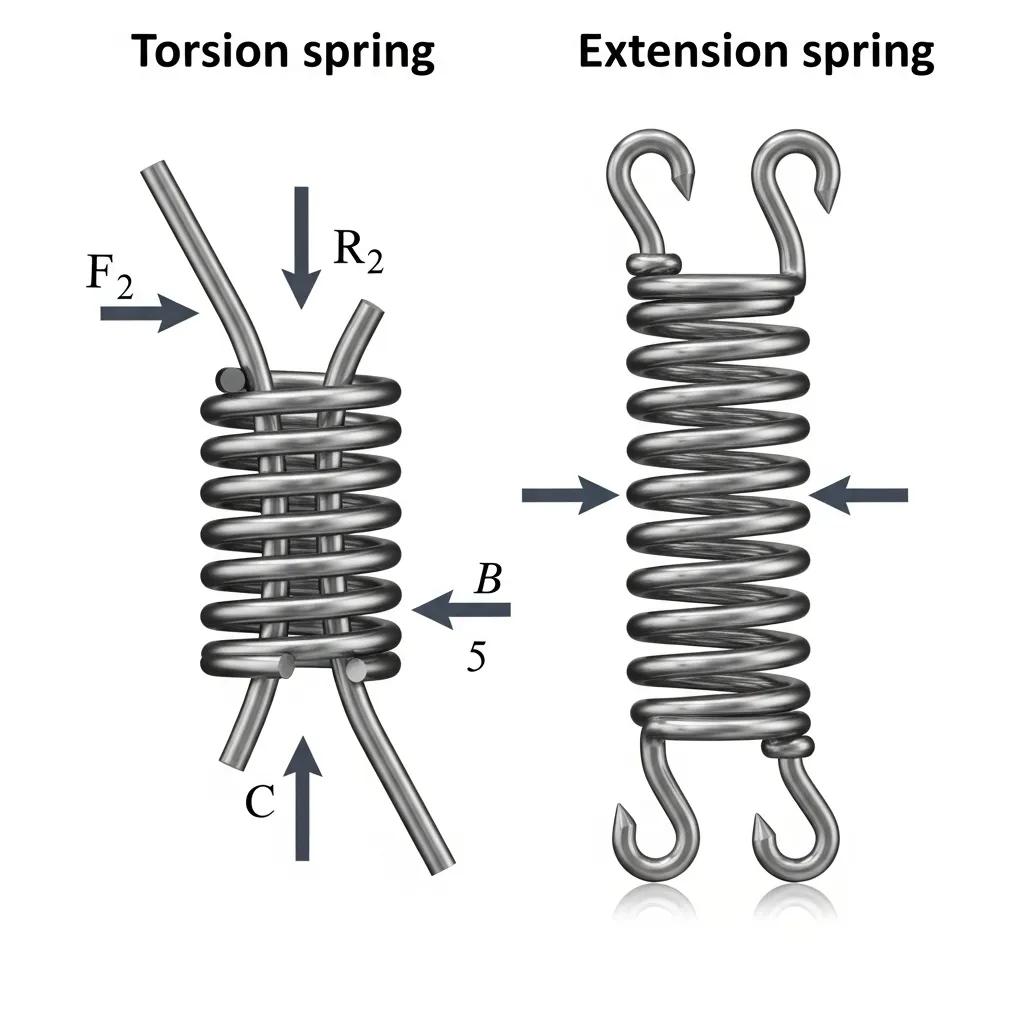
Garage door springs store torsional or extensional energy and use that force to lift the door, counterbalancing its weight so the opener — or a person — can move it smoothly. The two common systems, torsion and extension, differ in where they’re mounted, how they operate, and how they typically fail. Knowing which system your door uses helps you diagnose problems safely and prevents unnecessary stress on cables, rollers, and the opener.
The table below highlights key differences so you can identify which system is installed and what to expect from each.
| Spring Type | Typical Location | Primary Safety Feature | Common Failure Mode |
|---|---|---|---|
| Torsion spring | Mounted horizontally above the door on a torsion tube | Winding and anchor system controls stored torque | Center break or loss of tension after many cycles |
| Extension spring | Runs parallel to the horizontal tracks along both sides | Safety cables can contain a broken spring | Overstretching or sudden break, whipping if cables are missing |
| Multi-spring setups | Two or more springs on large or heavy doors | Redundancy reduces the impact of a single spring failing | Uneven wear when springs are mismatched |
In short: torsion springs store torque above the door; extension springs stretch along the tracks. Identifying the system guides safe inspections and the right repair approach.
What Is a Torsion Spring and Why Is It Important?
A torsion spring is a heavy-duty coil mounted on a torsion tube above the door. It stores rotational energy as the door moves, then releases that energy to lift the door. Because torsion springs work under high torque, they’re specified by wire diameter, coil count, and length to precisely offset the door’s weight. When sized and installed correctly, torsion springs keep the door moving smoothly and prevent extra strain on the opener, tracks, and panels. Accurate measurement and professional winding prevent dangerous over- or under-tensioning, which is a common cause of premature failure or accidents.
How Do Extension Springs Function and What Are Their Safety Features?
Extension springs run along the tracks and stretch to provide lifting force. They’re commonly found on lighter residential doors and work by extending and contracting with the door’s motion.
Extension systems rely on a safety cable threaded through the spring. That cable holds the coil in place if the spring breaks and stops the spring from whipping outward. Without the cable, a snapped extension spring can send metal flying and cause injury or damage. Regular checks of cable anchors, pulleys, and end fittings help spot wear before a spring fails.
What Are the Common Signs of a Broken Garage Door Spring?
Broken springs usually announce themselves with audible or visible clues you can spot from a safe distance. Recognizing these signs lets you stop using the door and secure the area until a technician can evaluate it.
Quick indicators to watch for:
- Loud, sharp snapping noise: A broken spring often makes a distinct pop or snap.
- Visible gap in the coil: From a safe distance you may see a separation in the spring coil.
- Door feels unusually heavy or won’t open: The opener may struggle or fail because the spring no longer balances the door.
- Uneven movement or one side low: The door may tilt or hang unevenly if spring force is unbalanced.
How to Identify Visual and Operational Indicators of Spring Damage?
Do a few non-invasive checks: look from a safe distance for coil gaps or heavy rust, listen for snapping during operation, and watch the door’s travel for hesitation or tilt. If the opener stalls, reverses repeatedly, or one side of the door sits lower, those are signs of possible spring or hardware failure. Never try to manually open a door that looks unbalanced — it can fall unpredictably. If you see or hear these indicators, keep the area clear, stop using the opener, and gather details (door type, symptoms, safe photos) for the technician.
When Should You Call for Professional Garage Door Spring Repair?
Call a professional right away if a spring snaps, the door is stuck open or closed, you see a visible coil separation, or the door is clearly off-track. Those are emergency situations that need trained intervention. For slower-developing issues — like gradual loss of tension, increasing noise, or irregular movement — schedule service soon rather than putting it off; delays can damage cables, tracks, or the opener. Until help arrives, keep people and vehicles away from the door path and avoid operating the opener to reduce the risk of collapse or more damage.
Why Is DIY Garage Door Spring Repair Dangerous?
DIY spring repair is risky because springs store large amounts of mechanical energy that can release suddenly and violently. Working on winding cones, anchors, or using the wrong tools often leads to slips, sudden unwinding, or parts launching under force — all of which can cause serious injury or worse. Beyond immediate danger, incorrect installation can leave the door unbalanced and cause long-term damage to tracks, panels, and the opener. Knowing these hazards explains why spring work is typically left to trained professionals.
- Severe physical injuries: Improper use of winding bars or loose grips can cause cuts, fractures, or blunt trauma.
- Property damage: Wrong tensioning can warp panels, bend tracks, or ruin the opener.
- Liability and insurance exposure: Improper repairs may void warranties and create liability if someone is later injured.
Given these risks, homeowners should stick to non-invasive checks and call professionals for spring work.
What Are the Risks and Injuries Associated with DIY Spring Fixes?
Attempting spring repairs without the right training can turn springs or tools into dangerous projectiles, causing deep lacerations, eye injuries, head trauma, or crushing injuries from a falling door. Makeshift tools or improper winding bars can slip under torque and cause sudden, uncontrolled movement that injures hands or limbs. Even if a DIY repair seems to work, the wrong spring or an asymmetrical install can leave the system unstable and likely to fail later. The safest course is to document symptoms and let a technician handle spring replacement or tensioning.
What Common Mistakes Do Homeowners Make During DIY Repairs?
Common errors include using screwdrivers or pliers instead of hardened, correctly sized winding bars, mis-measuring spring specs (wire diameter, length, cycle rating), and skipping required safety features like cables on extension systems. These mistakes increase the chance of slippage, incorrect tension, and rapid wear. That’s why precise measurement, proper tools, and following safety protocols are essential — and why professionals exist to perform that work reliably.
After a safety-first diagnosis, consider professional service. Overhead Door Company of Sacramento is an authorized Overhead Door™ distributor serving Sacramento and nearby counties. We prioritize safety, send trained technicians in company-equipped trucks, and provide sales, installation, repair, and parts for both residential and commercial customers. We offer free estimates and financing options, and we match parts to manufacturer specifications so repairs meet established safety standards. If you suspect a broken spring, scheduling a professional evaluation is the safest way to fix the problem and reduce the chance of recurrence.
How Does Professional Garage Door Spring Repair Ensure Safety?
Professional repair follows a repeatable process: accurate diagnosis, correct spring selection, use of purpose-built tools, controlled winding and unwinding, and verification through balance testing and safety checks. Technicians use the right winding bars and torque techniques, measure expected cycle life, and install safety cables or anchors where required. After the job, they run balance tests and inspect cables, drums, rollers, and the opener to confirm the full system operates smoothly and safely.
What Specialized Tools and Techniques Do Certified Technicians Use?
Technicians use hardened winding bars matched to the spring cone, calibrated torque methods, and measuring tools to determine wire and inside diameters and cycle ratings. They secure the door with clamps or blocking methods to prevent accidental movement while working under load. These measurements and tools eliminate guesswork, ensure correct tension, and reduce stress on other components — outcomes DIY attempts rarely achieve.
How Does Professional Service Protect Your Property and Personal Safety?
Professional service prevents improper spring sizing and installation that can warp door panels, misalign tracks, or damage openers, saving repair costs over time. Technicians verify repairs with balance tests and operational cycles, confirming the door opens and closes smoothly and the opener isn’t overworked. Authorized distributors and trained teams also supply compatible parts and written estimates, and they follow safety protocols that transfer technical risk and long-term liability away from the homeowner.
What Is the Typical Cost of Garage Door Spring Replacement in Sacramento?
Spring replacement costs vary by spring type, door size, and installation complexity. The ranges below offer a planning reference for Sacramento-area repairs; exact quotes depend on door configuration, number of springs, and whether emergency service or specialty springs are required. Estimates include typical material and labor for residential jobs and are presented as ranges to reflect variation.
| Spring Type | Avg. Material Cost | Avg. Labor Cost | Typical Total Price Range (Sacramento) |
|---|---|---|---|
| Torsion spring (single) | $75–$200 | $150–$350 | $300–$600 |
| Extension springs (pair) | $40–$120 | $150–$300 | $200–$500 |
| Specialty/High-cycle springs | $120–$300 | $200–$400 | $400–$900 |
Generally, torsion systems tend to cost more because of torque-control requirements, while extension spring jobs can be less expensive but may need safety hardware work. Door weight, multiple springs, high-lift configurations, and after-hours calls push prices higher.
Which Factors Affect the Price of Spring Repair and Replacement?
Price is driven by spring type and quantity, door material and weight, installation complexity (high-lift or commercial tracks), accessibility, and whether additional parts like cables, drums, or rollers need replacement. Emergency or same-day service and oversized doors increase labor charges; standard single-car doors with easy access sit near the lower end of ranges. Local labor rates and parts availability in Sacramento also affect the final quote. An on-site inspection delivers the most accurate price estimate.
How Can You Get a Free Estimate from Overhead Door Company of Sacramento?
To get a free estimate, tell us your door type, describe symptoms, and note any recent hardware changes — safe photos from a distance help speed diagnosis. As an authorized Overhead Door™ distributor for Sacramento and nearby counties, Overhead Door Company of Sacramento offers on-site diagnosis, parts, and written quotes aligned with manufacturer specs. During an estimate, our technicians evaluate spring type, cycle life, and related hardware, and can explain financing options if needed to manage repair costs.
After the estimate, compare the scope and warranty details to ensure repairs include safety cable installation (if required), correct spring sizing, and follow-up balance testing that lowers the chance of immediate rework.
How Can You Maintain Garage Door Springs to Extend Their Lifespan Safely?
Regular maintenance reduces wear and extends spring life by keeping moving parts operating smoothly and ensuring tension stays within design limits. Combine simple homeowner tasks with annual professional inspections to keep the system balanced, minimize corrosion, and catch parts that need replacement before failure. The maintenance schedule below offers a practical routine that balances safe DIY checks with technician-only procedures.
| Maintenance Task | Frequency | Benefit / Expected Outcome |
|---|---|---|
| Visual inspection of springs, cables, and anchors | Monthly | Early detection of rust, gaps, or loose hardware before failure |
| Lubrication of springs and rollers | Every 6 months | Reduces friction, prevents corrosion, and smooths operation |
| Professional inspection and balance test | Annually | Validates spring life, torque, and overall system safety |
| Safety cable verification (extension springs) | Every 6 months | Ensures containment if a spring breaks |
This plan helps homeowners handle safe tasks like lubrication and visual checks while leaving tension adjustments and spring replacement to technicians.
What Are the Best Practices for Lubrication and Annual Inspections?
Use a garage-door-specific lubricant (silicone-based or light machine oil recommended by manufacturers) on pivot points, rollers, and springs to reduce friction and slow corrosion. Apply sparingly and wipe away excess to avoid attracting dust. Homeowners can safely lubricate exposed parts while keeping clear of tensioned springs and never touching winding cones. Annual professional inspections should cover cycle-life assessment, wire-diameter and coil checks, balance testing, cable and drum inspections, and hardware torque verification.
If lubrication doesn’t stop binding or noise, call a technician — worn springs or alignment issues usually need replacement rather than continued DIY attempts.
How to Perform Safety Checks and Balance Tests on Your Garage Door Springs?
A safe homeowner balance check: disconnect the opener, lift the door manually to waist height, and see if it stays in place. A properly balanced door should remain stationary at mid-travel; if it drifts up or down, spring tension is off. Do not attempt to adjust spring tension yourself — winding and unwinding require special tools and training. Instead, document the behavior and contact a professional.
Other useful checks include watching rollers track smoothly and listening for unusual sounds during manual operation — these clues help technicians diagnose issues quickly. When balance tests indicate a problem, scheduling a trained technician prevents risky DIY adjustments and ensures reliable repair.
For ongoing peace of mind, consider a preventive maintenance plan that combines homeowner-friendly tasks with scheduled professional inspections. Overhead Door Company of Sacramento emphasizes trained technicians and safety-first protocols and can provide scheduled maintenance visits, free estimates, and financing to spread costs. Regular professional inspections preserve spring life, catch secondary issues early, and ensure replacements match manufacturer specifications for long-term reliability.
- Maintenance plan benefits:Reduces emergency breakdowns and unexpected repair costs.Extends component life and maintains warranty alignment.Provides documented inspection history for resale or insurance needs.
These steps complete a practical, safety-focused approach to garage door spring care and repair.
Frequently Asked Questions
What should I do if my garage door spring breaks?
If a spring breaks, stop using the door right away and keep the area clear of people and vehicles. Note any visible damage and symptoms — like odd noises or an unbalanced door — and call a professional technician for an assessment. Don’t attempt to open or close the door; waiting for expert help is the safest option.
How often should I have my garage door springs inspected?
Have your springs checked by a professional at least once a year. Regular inspections catch wear before it becomes a failure. In between professional checks, perform monthly visual inspections for rust, gaps, or loose hardware.
Can I replace garage door springs myself if I have some experience?
Even experienced DIYers should avoid replacing springs. The stored energy in springs can cause severe injury if handled incorrectly, and miscalculations or the wrong tools can create dangerous conditions. It’s safer and more reliable to hire trained technicians with the right tools and parts.
What maintenance tasks can I perform on my garage door springs?
Homeowners can do monthly visual inspections and lubricate springs and rollers every six months with a garage-door-specific lubricant. Check safety cables on extension spring systems. Leave any tension adjustments, winding, or spring replacement to professionals.
What are the signs that my garage door springs need replacement?
Signs include a loud snapping sound, a visible gap in the coil, the door feeling unusually heavy or failing to open, and uneven or off-track movement. If you notice any of these, stop using the door and contact a technician for a safe evaluation.
How can I ensure the safety of my garage door system?
Follow a regular maintenance schedule: monthly visual checks, biannual lubrication, and annual professional inspections. Keep safety cables in place on extension-spring systems and address any wear promptly. Avoid DIY spring repairs to minimize the risk of injury or improper installation.
What should I look for in a professional garage door repair service?
Choose licensed, insured technicians experienced with spring repairs. Look for positive reviews, free estimates, transparent pricing, and warranties on work. Confirm they follow safety protocols and use quality parts that meet manufacturer specs. A reputable service protects your home and gives you confidence the job was done correctly.
Conclusion
Knowing how garage door springs work and recognizing the warning signs of failure helps you keep your home safe. When springs show trouble, stop using the door and call a trained technician — preventive maintenance and annual inspections go a long way toward avoiding emergencies. If you want peace of mind, schedule a consultation with a qualified technician today.