Garage door safety features combine mechanical parts, electronic sensors, and control logic to prevent injuries, protect your property, and keep your home secure. Industry standards and current research show that properly working auto-reverse systems, photo-eye sensors, manual release handles, battery backups, and modern access controls address the most common failure modes that cause accidents or unauthorized entry. For Sacramento homeowners, local climate, building codes, and emergency-response needs can affect how equipment performs and how quickly repairs are required. This guide describes the essential safety features, how they work together, how to test them safely, and when to call a trained technician. Overhead Door Company of Sacramento — the authorized local Overhead Door™ distributor — offers residential installation, inspections, and emergency repairs if a feature fails testing. Read on for practical checks, maintenance tips, and upgrade options that keep your garage door safe and reliable.
What Are the Essential Garage Door Safety Features for Homeowners?
The core safety features every garage door should have are protections that prevent entrapment, reduce crush risks, and deter unauthorized access. Key elements include the auto-reverse system, photo-electric safety sensors, a clearly marked manual release, a battery backup for the opener, and secure remote/control technology. Each item plays a specific role: sensors stop the door from closing on obstacles, auto-reverse undoes dangerous movement, the manual release lets you open the door in an emergency, backups keep the opener working during outages, and rolling-code or smart controllers reduce the risk of remote hacking. Knowing these parts helps homeowners prioritize inspections and upgrades and ensures compliance with safety rules introduced since the early 1990s. The sections below link each feature to accident prevention and explain how sensors and reversal logic interact during normal use.
Homeowners should recognize which features both prevent accidents and meet regulatory standards, especially for older doors that may lack modern components. These protections aren’t optional for safety-focused households; they’re essential for limiting liability and keeping family members safe. Understanding how the parts interact supports better maintenance planning and informs when to arrange a professional inspection.
Which Safety Features Prevent Accidents and Ensure Compliance?
Auto-reverse systems and safety sensors are the primary safeguards against crushing and entrapment and are required by federal safety rules for residential garage door openers. The auto-reverse reacts to either a photo-eye beam interruption or an abnormal force on the door, stopping and reversing motion; that redundancy lowers the chance of failure. Systems installed before the 1993 federal mandate may lack compliant sensors or proper force settings, so homeowners should check their hardware and test performance regularly. Routine functional checks and force adjustments keep the system within safe parameters, and documenting maintenance helps when selling or insuring a home. Knowing how these prevention features work explains why periodic testing and occasional professional adjustments are necessary for long-term safety.
How Do Safety Sensors and Auto-Reverse Mechanisms Work Together?
Sensors and auto-reverse systems create a layered defense: a pair of photo-electric eyes projects an invisible infrared beam across the door opening while the opener monitors beam continuity and motor force. If the beam is broken, the opener stops closing and reverses; if something blocks reversal, force-sensing detects the resistance and triggers a second reversal. This two-step approach catches both obvious and subtle obstructions. Environmental factors like direct sunlight, dirty lenses, or misaligned sensors can disrupt the beam, so keeping sensors clean and aligned is important for dependable operation. Understanding this interaction helps homeowners perform simple checks and know when to call a trained technician.
How the Garage Door Auto-Reverse System Protects Your Family
An auto-reverse system protects family members by automatically stopping and reversing the door if it encounters an obstruction, preventing crush injuries and entrapment. The system relies on input from sensors and force-monitoring logic in the opener’s control board; when either detects a hazard, the opener reverses to clear the obstruction. Because the system reacts faster than a person can intervene, it greatly reduces the chance and severity of door-related injuries. Knowing how to test and interpret the opener’s response helps homeowners confirm continued protection and decide when repair or replacement is needed. The subsections below describe component function and safe testing steps you can perform.
The auto-reverse components are straightforward, but correct testing and interpretation are critical to ensure the system will act in an emergency. Monthly tests that simulate real obstructions give early warning of failing parts; any irregular behavior should prompt you to stop using the opener and call a professional.
What Is the Functionality of the Auto-Reverse Mechanism?
The auto-reverse mechanism uses two detection methods: beam interruption from photo-eye sensors and force-sensing that measures resistance during closure. If the photo-electric beam is broken by an object or person, the opener stops and reverses immediately; if the beam is clear but the door meets unexpected resistance, built-in force detection triggers reversal to avoid crushing. Common issues that can affect reversal include loose electrical connections, misaligned sensors, worn rollers, or incorrect force settings. Spotting these problems helps homeowners focus maintenance and gives technicians clearer information when diagnosing persistent faults. Properly functioning auto-reverse parts are essential for home safety and modern code compliance.
How Can Homeowners Test Their Auto-Reverse System Safely?
You can run a simple, safe auto-reverse test without putting anyone at risk. First, clear the area and place a 2×4 or similarly sturdy object flat on the floor where the door would touch it. Use the door control to close the door — it should contact the object and reverse on impact. Also test the photo-eye by passing an object through the beam while the door is closing to check that the opener reverses. If the door fails either test, stop using the opener and schedule a professional inspection — do not attempt spring or cable repairs yourself. Perform this test monthly to catch problems early and to know when parts need adjustment or replacement.
If a test fails, request a professional inspection or repair estimate to restore safe operation. Overhead Door Company of Sacramento can send trained technicians for diagnostics, emergency repairs, and compliance adjustments to make sure your auto-reverse system works as intended.
Why Photo-Eye Safety Sensors Matter for Garage Door Security
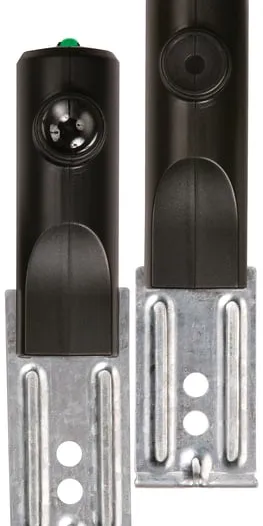
Photo-eye safety sensors are essential because they provide non-contact obstruction detection across the full width of the garage door opening, stopping the door from closing on people, pets, or objects. These infrared photo-electric eyes include an emitter and a receiver; when the beam is interrupted, the opener gets an immediate signal to stop and reverse. Reliable operation requires correct alignment, clean lenses, and intact wiring. Modern infrared sensors outperform older beam types by reducing false triggers. The table below compares infrared photo-electric sensors with older sensor types so homeowners can see differences in detection, maintenance, and common failure causes.
This comparison helps homeowners understand why sensor upgrades can reduce nuisance trips and improve safety, and it guides routine maintenance and replacement timing.
Sensor Type | Detection Method | Typical Maintenance | Common Failure Modes |
|---|---|---|---|
Infrared Photo-Eye | Emitter → Receiver beam interruption | Clean lenses, check alignment, inspect wiring | Dirt buildup, misalignment, damaged wiring |
Reflective Beam | Beam reflects off a surface back to sensor | Clean reflector surface, adjust aim | Misaligned reflector, surface wear |
Older Mechanical Beam | Physical contact switches | Lubricate or replace switches | Wear, corrosion, slower response |
How Do Infrared Photo-Electric Eyes Detect Obstructions?
Infrared photo-electric eyes detect obstructions by sending an infrared beam from an emitter across the opening to a receiver on the opposite side; any interruption tells the opener to stop and reverse. The beam typically covers the full door width and alignment LEDs on the sensor housings help confirm proper aiming. Dust, spider webs, direct sunlight, or sprinkler spray can reduce beam performance and cause false trips or missed detections. Regular inspection, gentle lens cleaning, and checking alignment LEDs keep the sensor pair reliable. Understanding how these sensors work helps homeowners spot environmental issues that might affect detection and can reduce unnecessary service calls.
What Are Best Practices for Maintaining and Aligning Safety Sensors?
Maintaining and aligning safety sensors is simple: wipe the lenses with a soft cloth, secure sensor mounts, confirm alignment LEDs indicate proper aim, and inspect wiring for corrosion or loose connections. Do these checks monthly and after storms or yard work that may introduce debris. Keep plants and sprinklers clear of sensor housings to avoid false triggers. If alignment indicators are off or wiring looks damaged, stop troubleshooting and call a technician — sensor replacement and precise alignment are quick professional fixes that restore safe operation. Regular upkeep reduces false activations and keeps sensors a dependable safety layer.
The small table below summarizes typical detection attributes and failure modes to help prioritize maintenance.
Sensor Category | Attribute | Typical Value / Note |
|---|---|---|
Infrared Photo-Eye | Detection Range | Full door width; line-of-sight required |
Infrared Photo-Eye | Maintenance Frequency | Monthly lens cleaning and alignment check |
Infrared Photo-Eye | Failure Mode | Lens contamination, misalignment, wiring faults |
How Manual Release Handles and Battery Backups Improve Emergency Access
Manual release handles and battery backup systems provide emergency access and keep your door working when power or electronics fail, protecting both safety and security. The manual release disconnects the door from the opener so you can operate it by hand during outages or when the opener malfunctions. A battery backup powers the opener long enough to complete open and close cycles. Together they prevent situations where occupants are trapped or locked out and reduce unsafe attempts to force doors open. Choosing a compatible battery backup and learning safe manual-release steps make emergency access predictable and safer. The following sections explain safe use of the release handle and the benefits and installation considerations for battery backups.
Knowing when to use the manual release vs. backup power helps prevent injury and preserves security, and it guides upgrade decisions best handled by a professional installer.
When and How Should You Use the Manual Release Handle?
Use the manual release handle only when the opener is inoperable due to power loss or mechanical failure — never while the door is moving. To use it safely, stop the door, pull the clearly marked emergency-release cord or handle to disengage the trolley, then lift the door manually with steady, balanced motion. Avoid sudden jerks and never stand under a partially open door. Re-engaging the opener usually requires pulling the handle back toward the opener or following model-specific reset steps after power returns; some models include lockout features to prevent unauthorized manual operation. Because springs and cables hold significant energy, do not attempt spring repairs yourself; rely on trained technicians. Practicing the release procedure during a calm moment helps prevent panic in real emergencies.
What Are the Benefits of a Garage Door Opener Battery Backup?
A battery backup keeps your opener and safety systems working during power outages, allowing the door to open or close without manual effort and keeping auto-reverse and sensors operational. Backup runtimes vary by model and how often you use the door, but most provide enough cycles to enter or exit safely; note that not every opener supports every battery kit. Adding a battery backup reduces emergency service calls, prevents unsafe manual handling of heavy doors, and maintains security during short outages. Homeowners should follow recommended replacement intervals for batteries and use professional installation to ensure proper integration and charging. A trained local technician can evaluate compatibility and provide upgrade options or quotes.
Backup Option | Compatibility | Benefit |
|---|---|---|
OEM Battery Kit | Specific opener models | Guaranteed compatibility and integrated charging |
Universal Backup Module | Wide compatibility | Flexible retrofit for many openers |
Auxiliary Battery Pack | Designed for smart openers | Extended runtime and remote operation during outages |
What Advanced Security Features Improve Garage Door Safety and Convenience?
Advanced features like rolling-code remotes, smart garage controllers, and remote monitoring add protection and convenience while strengthening safety controls. Rolling-code technology changes the access code after each use to prevent replay attacks, and smart controllers deliver alerts, access logs, geofencing, and integration with home security systems. These features do not replace mechanical safety devices such as sensors or auto-reverse systems, but they add important layers against remote intrusion and let homeowners monitor activity in real time. Combining physical safety measures with secure remote access and responsible configuration gives the best balance of convenience and protection. The subsections below explain rolling-code technology and smart features to consider for a safe, connected setup.
When adding advanced security, preserve core safety redundancies and use remote controls and alerts to improve situational awareness.
How Does Rolling Code Technology Protect Against Intruders?
Rolling code technology defends against intruders by generating a new, unpredictable code each time you use the remote, making intercepted signals useless after reuse. The opener and remote sync using an algorithm that advances a counter, so captured transmissions can’t be replayed. Rolling-code remotes paired with secure smart integrations reduce the cloning risks associated with fixed-code transmitters. Combine rolling-code hardware with good password practices, secure smartphone credentials, and firmware updates for strong protection of the garage entry point. Understanding this system helps homeowners choose remotes and opener models they can trust and avoid legacy fixed-code devices.
What Smart Garage Door Opener Features Offer Remote Safety Control?
Smart openers provide remote status alerts, activity logs, scheduled access, geofencing, and integration with home automation or security systems to improve both convenience and safety. Alerts tell you when the door opens or fails to close, activity logs show who accessed the door and when, and geofencing can automatically close or notify you when a household member leaves the property. These tools reduce the chance a door is left open and allow quick response to unusual events, but they require secure account management and strong passwords to limit credential misuse. Professional setup and regular firmware updates reduce cyber risks and ensure smart features supplement — not replace — mechanical safety devices.
Remote alerts: Get notified when the door opens or fails to close.
Activity logs: See access history and spot unusual activity.
Geofencing: Automatically close or alert based on family members’ locations.
Used alongside standard safety devices, these features help you keep better eyes on your garage and family safety.
How Regular Maintenance Keeps Your Garage Door Safe Long-Term
Regular maintenance preserves sensor function, lubricates moving parts, inspects springs and cables, and confirms safety mechanisms operate to manufacturer specs. A good routine combines monthly homeowner checks for visible issues with an annual professional inspection that handles springs, cables, and opener electronics. Routine care reduces emergency failures, extends component life, and keeps force and reversal settings within safe ranges. The sections below list DIY checks you can do and explain why local professional inspections in Sacramento add value.
Consistent upkeep prevents accidents, lowers long-term repair costs, and improves reliability — especially important where quick emergency response may be needed.
What DIY Safety Checks Can Homeowners Perform?
Each month homeowners can do simple checks that improve safety: visually inspect rollers, hinges, and cables for wear; clean and align photo-eye sensors; lubricate bearings and hinges with recommended products; and run the auto-reverse tests described earlier. Never attempt spring adjustments or cable replacements — those parts store dangerous energy and require trained technicians with the right tools. Keep a short checklist and note the date of each check to track wear and know when to call a pro. These DIY steps reduce the risk of sudden failures and help extend system life.
The checklist below summarizes practical monthly actions.
Visual inspection: Look for frayed cables, bent tracks, and loose hardware.
Sensor check: Clean lenses and confirm alignment LEDs are on.
Lubrication: Apply recommended lubricant to rollers, hinges, and bearings.
Why Schedule Professional Garage Door Safety Inspections in Sacramento?
A professional safety inspection gives a thorough review of high-risk components such as torsion springs, cable tension, opener force settings, and electrical controls — areas that are unsafe or impractical for homeowners to service. Local technicians understand applicable codes and regional conditions and use calibrated tools to set force thresholds and make secure spring adjustments. For Sacramento homeowners, quick emergency response and access to genuine parts matter when systems fail. A professional inspection also documents condition and recommended work, which helps with safety planning and upgrade decisions.
If you’re ready to schedule service, Overhead Door Company of Sacramento provides uniformed, trained technicians, a showroom for upgrade consultations, financing for larger projects, and emergency repair services to restore safe operation quickly. For inspections, battery-backup quotes, or repairs after a failed safety test, contact your authorized local Overhead Door™ distributor to arrange a professional evaluation and timely service.
Frequently Asked Questions
What should I do if my garage door safety features fail during testing?
Stop using the opener right away to avoid accidents. Note exactly what failed — for example, the door didn’t reverse or the sensors didn’t respond — then call a professional technician to inspect and repair the system. Don’t try to fix springs or cables yourself; those repairs are hazardous and best left to trained experts.
How often should I schedule professional maintenance for my garage door?
We recommend a professional inspection at least once a year. That inspection should cover springs, cables, opener settings, and electrical components. In addition, do simple monthly DIY checks to catch visible issues early. Regular maintenance helps ensure safety features work correctly and extends the lifespan of your system.
Can I upgrade my garage door safety features, and what options are available?
Yes. Upgrades can include modern photo-eye sensors, battery backup systems, and smart openers with remote monitoring. These changes improve safety, convenience, and security. A professional technician can assess compatibility with your current system and recommend the best upgrade options.
What are the signs that my garage door safety sensors need maintenance?
Watch for frequent false reversals, failure to detect obstructions, or alignment indicator lights that don’t illuminate. If the door doesn’t reverse when it hits an object, that’s a clear sign of malfunction. Regularly clean sensor lenses and check alignment; if problems continue, contact a professional.
How can I ensure my garage door opener is secure from hacking?
Use rolling-code technology, which changes the access code after each use, and connect smart openers to a secure Wi‑Fi network with strong passwords. Keep device firmware up to date and avoid outdated legacy systems that lack modern security features. These steps significantly reduce the risk of unauthorized access.
What should I do if my garage door is stuck open or closed?
First, check for visible obstructions or sensor issues. If the door won’t respond to the remote or wall control, don’t force it — that can cause more damage. Use the manual release handle to operate the door by hand only if it’s safe to do so. If the problem continues, call a professional technician to diagnose and fix the issue safely.
Conclusion
Knowing and maintaining essential garage door safety features protects your home and family. By prioritizing auto-reverse systems, photo-eye sensors, manual releases, and battery backups — and by scheduling regular maintenance and professional inspections — you reduce the risk of accidents and keep your door working reliably. For expert help or to explore upgrade options, contact Overhead Door Company of Sacramento today.