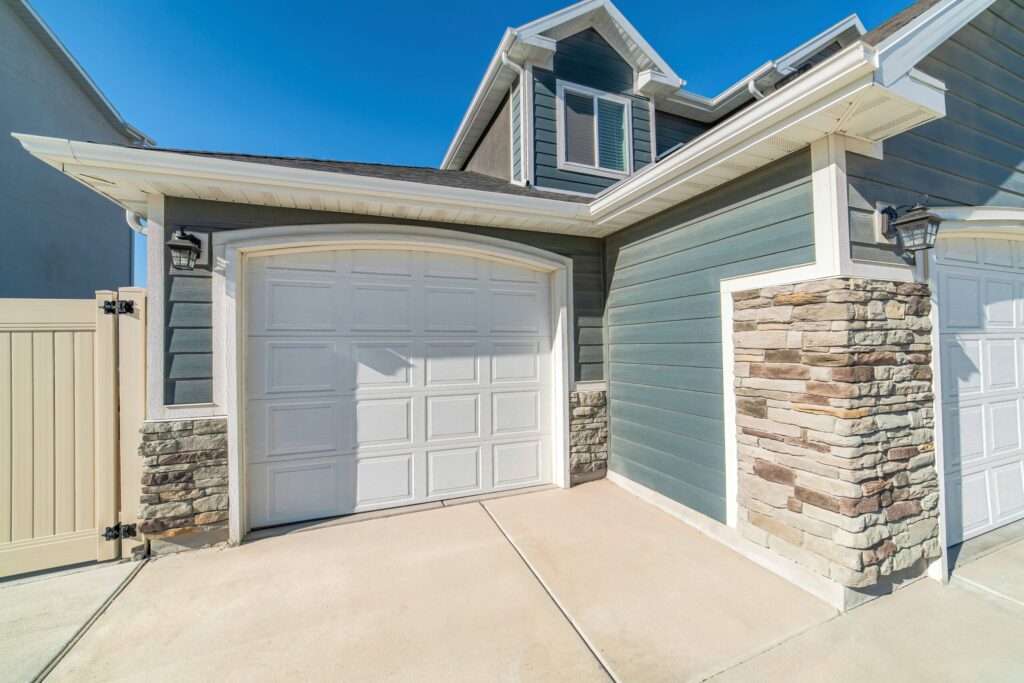
Why Choose Professional Garage Door Installation in Sacramento: Safety, Savings, and Trusted Local Expertise
A professional garage door installation pairs precise mechanics, factory-authorized parts, and tested safety procedures to protect your property, your family, and your investment. This guide explains why hiring trained installers matters for safety, warranty protection, energy efficiency, and long-term performance. If you’re in the Sacramento area, Overhead Door Company of Sacramento, Inc. is an authorized Overhead Door™ distributor with a showroom and design tools for local consultations. Many homeowners underestimate the risks of torsion-spring systems, misaligned tracks, and improperly set openers—this article shows how professional methods reduce those risks and what to look for when choosing an installer. You’ll get a clear look at benefits, safety priorities, residential and commercial workflows, warranty considerations, and a practical checklist for selecting the right team in Sacramento so you can make a safety-first decision.
For those seeking reliable and expert help, professional garage door installation services offer comprehensive solutions tailored to your specific needs, ensuring quality and peace of mind.
What Are the Key Benefits of Professional Garage Door Installation?
Hiring a professional installer brings measurable improvements in safety, day-to-day performance, durability, warranty coverage, and energy efficiency compared with DIY or inexperienced work. Certified technicians set correct spring tension, align tracks precisely, calibrate openers, and position sensors properly—steps that reduce wear and lower the chance of sudden failures that can cause damage or injury. Correct installation also preserves manufacturer warranties and lets insulated doors reach their rated thermal performance, helping reduce heat loss in attached garages. Below is a clear comparison of the main benefit categories and the outcomes homeowners should expect.
How professional installation benefits translate into homeowner results.
| Benefit Category | How It Works | What You Get |
|---|---|---|
| Safety | Correct spring handling and sensor alignment | Lower risk of injury and accidental damage |
| Durability | Proper balance and OEM hardware | Longer service life and fewer repairs |
| Warranty | Certified installation and documented work | Maintained manufacturer coverage |
| ROI | Better curb appeal and improved energy performance | Higher resale value and reduced utility costs |
Seeing how each benefit maps to a concrete result helps prioritize needs when planning a project and comparing contractors. Next, we’ll focus on the safety and security improvements that professional installers deliver first.
How Does Professional Installation Enhance Safety and Security?
Professional installation improves safety by managing high-tension parts and verifying safety systems actually work. Technicians use calibrated tools and step-by-step procedures to set torsion springs, mount tracks, and program opener force limits so the door is balanced and reverses reliably when sensors see an obstruction. Security upgrades often include rolling-code openers, reinforced attachment points, and smart-integration setup to reduce unauthorized access without sacrificing convenience. These are technical tasks that require training and equipment most homeowners don’t have—another reason certified technicians are the safest choice. Next, we’ll look at how careful installation choices extend a door’s life and keep it running smoothly.
In What Ways Does Expert Installation Improve Door Longevity and Performance?
Expert installation improves longevity and day-to-day performance by matching compatible parts, applying correct torque and tension settings, and running complete system tests after installation. Properly sized springs, rollers, and tracks spread loads evenly across panels and hardware, which reduces fatigue and the need for repairs. Using OEM parts and factory-recommended fasteners minimizes corrosion and ensures replacements meet original specs, improving long-term reliability. Routine professional tune-ups and the calibration schedules installers recommend help catch wear early and prevent small issues from becoming major repairs. These preventative steps underline why certified installation matters for warranty protection and consistent performance.
Why Hire a Certified Garage Door Installation Company in Sacramento?
Working with a certified company gives you traceable installation records, factory-trained technicians, and access to authorized parts—elements that protect warranties and ensure installations meet manufacturer standards. Authorized distributors and certified installers follow required specifications for mounting, anchoring, and electrical integration, which reduces liability and improves first-time-right outcomes. Local certification also signals consistent training and accountability, and showroom facilities plus design tools let homeowners preview options before installation. Below are the key credentials and local trust signals to verify when choosing an installer.
Credentials and trust signals that matter:
- Authorized distributor status: Confirms OEM parts access and installer training.
- Showroom and design tool availability: Lets you see materials and preview styles in person.
- Factory-trained technicians: Shows standardized installation practices and quality control.
These markers reduce uncertainty and connect provider selection to measurable outcomes like warranty validity and installation accuracy. The next subsection describes what makes Overhead Door Company of Sacramento a local resource.
What Makes Overhead Door Company of Sacramento the Authorized Expert?
Overhead Door Company of Sacramento, Inc. is an authorized Overhead Door™ distributor serving Sacramento and surrounding counties, providing local access to factory-supported products and installation expertise. We maintain a showroom and offer the DoorDreamer™ design tool so homeowners can preview styles and options before they buy. Our certified, factory-trained technicians wear uniforms and follow consistent service processes. As a local measure of reputation, we hold a 5.0 rating from over 210 Google reviews (as of early 2026), which reflects steady community feedback. Authorization, showroom access, design tools, and trained staff create a straightforward path from selection to documented installation and follow-up.
How Do Certified Technicians Ensure Quality and Warranty Protection?
Certified technicians follow manufacturer installation protocols, use OEM parts, and document the steps required for warranty coverage. Proper documentation typically includes measurement records, model and serial numbers, and signed inspection checklists manufacturers ask for when validating claims. Factory training covers torque and tension specs, opener programming, and correct safety sensor use—reducing the chance of post-install failures that could void coverage. Ask your installer for written installation reports and warranty paperwork at project completion to confirm continuous coverage. These practices flow directly into a clear residential installation process focused on safety, accuracy, and homeowner peace of mind.
What Is the Professional Residential Garage Door Installation Process?
A professional residential install follows a defined workflow from initial consultation through final inspection to ensure fit, function, and safety. It starts with an on-site or showroom meeting to discuss door styles, insulation, and opener compatibility and includes precise measurements and a written proposal. On install day, crews remove old equipment, set anchors and tracks, install springs and panels, program the opener, and run multiple safety tests before a homeowner walkthrough. The steps below summarize the typical sequence and expected timeframe for common residential jobs.
Step-by-step summary of a typical residential installation:
- Consultation and measurement: Confirm scope, materials, and exact dimensions.
- Product selection and scheduling: Pick door style, insulation level, and opener.
- Removal and preparation: Dismantle the old door and ready the opening.
- Installation and calibration: Mount hardware, set springs, and program the opener.
- Testing and walkthrough: Complete safety checks, train homeowners, and document the job.
This sequence sets clear expectations and highlights checkpoints where professionals verify compliance and safety. The table below links each installation phase to typical timeframes and homeowner responsibilities.
| Phase | Task | Typical Timeframe / Homeowner Expectation |
|---|---|---|
| Consultation | Measure opening and review options | 30–60 minutes; homeowner selects style |
| Removal | Remove old door and dispose of materials | 1–2 hours depending on complexity |
| Installation | Mount tracks, springs, panels, and opener | 3–6 hours for standard single-family doors |
| Inspection | Safety testing and customer walkthrough | 30–60 minutes; homeowner signs off |
Use these timeframes when scheduling and planning homeowner involvement. Next, we cover common door and opener types and how product choices affect performance.
Which Types of Garage Doors and Openers Are Installed Professionally?
Professionals install many door materials and opener types to match aesthetic, thermal, and noise priorities—steel, wood, composite, glass, and insulated panels for energy efficiency. Common openers include belt-drive, chain-drive, and screw-drive units, plus smart-enabled models with rolling-code security and app integration; each type balances noise, durability, and cost differently. Insulated doors carry an R-value rating that matters for attached garages; higher R-values help with Sacramento’s seasonal temperature swings. Technicians will help you weigh trade-offs like quiet operation, insulation, and smart features before installation. Next, we explain how measurement and calibration keep the install precise and efficient.
How Does the Installation Process Ensure Efficiency and Precision?
Efficiency and precision start with exact measurements, correctly sized hardware, and methodical calibration of spring tension, track alignment, and opener force limits. Technicians use spec sheets and calibrated tools to match torsion spring torque to the door weight and ensure rollers run smoothly in tracks to reduce friction. Safety sensors are aligned and tested for reliable reversal, and openers are programmed with proper travel and force limits to prevent damage or injury. Final QA steps include multiple open/close cycles, load checks, and a homeowner demo covering routine maintenance and the emergency release. These checks reduce callbacks and extend reliable performance, and they’re even more critical for commercial projects that require additional compliance and uptime assurances.
What Are the Advantages of Professional Commercial Garage Door Installation?
Commercial installs require heavier-duty equipment, code compliance, and continuity planning—areas where professional expertise is essential for safety and uptime. Installers work with building teams to specify high-cycle doors, reinforced frames, dock equipment, and access-control integrations that fit operational needs. Preventative maintenance plans and rapid-response service lower downtime for facilities where door failure affects logistics, safety, or revenue. The table below compares common commercial door types and installation considerations.
| Commercial Door Type | Primary Use Case | Safety / Equipment Considerations |
|---|---|---|
| High-cycle sectional doors | Warehouses with frequent openings | Reinforced springs, high-cycle operators, scheduled maintenance |
| Rolling steel doors | Secure loading bays and retail | Proper anchoring, wind-load ratings, motorized controllers |
| Dock leveler-integrated systems | Truck loading docks | Coordinated anchoring and electrical commissioning |
This comparison highlights the tailored planning and equipment commercial projects require, and it leads into safe on-site installation practices for larger systems and dock equipment.
How Are Commercial Doors and Dock Equipment Installed Safely?
Commercial installs often use lifting equipment, multi-person crews, and precise anchoring to manage heavy panels safely. Installers deploy hoists or cranes for large sections, use torque-specified anchors into structural substrates, and follow lockout/tagout procedures when wiring motors. Testing includes cyclic endurance checks, commissioning protocols, and verification of photo-eyes, edge sensors, and emergency stops to meet operational safety standards. Clear crew coordination and adherence to manufacturer commissioning steps ensure the system performs under expected loads and integrates with facility access control. These protocols form the basis for services like preventative maintenance and emergency response.
What Specialized Services Do Professionals Provide for Businesses?
Businesses receive tailored services such as preventative maintenance agreements, priority emergency repairs, custom fabrication for non-standard openings, and integration with access-control or security systems. Preventative programs schedule inspections, lubrication, and part replacement to avoid unplanned outages, while emergency teams restore operations quickly. Custom options can include insulated or fire-rated doors, remote monitoring, and integration with dock-levelers or conveyors for seamless logistics. These services support continuity, compliance, and safety—and typically include documentation and reporting required for facility audits.
What Are the Safety Benefits and Warranty Protections of Professional Installation?
Professional installation lowers risk by ensuring components are fitted to manufacturer specs and properly documented for warranty validation, which limits liability for homeowners and businesses. Certified installation addresses high-risk tasks like spring adjustment and motor wiring that can cause injury or property damage if handled incorrectly. Project documentation—installation reports, part numbers, and inspection sign-offs—helps with warranty claims and insurance by showing due diligence in maintenance. The next section compares common DIY failure modes with professional mitigations to show why certified work matters for both safety and coverage.
How Does Professional Installation Reduce Risks Compared to DIY?
DIY work often leads to incorrect spring tension, misaligned tracks, and improperly set opener force or sensor positions—conditions that increase the risk of sudden failure or a failed safety reversal. Professionals use calibrated tools, measurement protocols, and multi-step safety checks including cycle testing and documented adjustments to mitigate those risks. Insurance and liability issues can arise from non-certified work that causes injury or damage, while properly documented professional installations clarify responsibility and support claims. By tackling the highest-risk tasks, certified installers significantly reduce the chance of catastrophic failures and extend the system’s usable life.
Why Is Warranty Validity Dependent on Certified Installation?
Many manufacturer warranties require installation by authorized or certified technicians and the use of OEM parts to remain valid; departures from those requirements can void coverage. Certified installers provide documentation—installation reports, labor records, and parts lists—that manufacturers review when processing claims. Using non-OEM or improperly installed parts can create failure modes excluded from warranty coverage, so following factory procedures and parts sourcing rules is essential. Homeowners should request written warranty terms and the installer’s documentation at project completion to protect future coverage and maintenance planning.
How to Choose the Right Professional Garage Door Installer in Sacramento?
Choosing the right installer means checking credentials, confirming insurance and licensing, reviewing local reputation, and ensuring post-install support like maintenance agreements and documented warranties. Local experience matters for matching products to climate and code requirements and for faster response times. Below is a practical checklist homeowners can use to evaluate candidates and prioritize safety, warranty protection, and long-term serviceability.
Installer evaluation checklist:
- Verify authorized distributor and factory-training credentials: Ensures OEM coverage and trained technicians.
- Confirm proof of insurance and business license: Protects you from liability during the job.
- Ask for references, showroom access, and documented warranty procedures: Validates reputation and post-install support.
Use this checklist during interviews and contract review, and follow up on documentation requests when meeting prospective installers.
What Credentials and Certifications Should You Look For?
Ask installers for proof of authorized dealer status, manufacturer training records, and technician certifications showing competency with torsion-spring systems and opener electronics. Request evidence of general liability insurance and workers’ compensation coverage to protect against on-site incidents, and confirm any required local business registration. Also ask what gets documented at job completion so you know what will be included in warranty records. These credentials and records reduce uncertainty and help ensure the installer can both perform and stand behind their work.
How Does Local Expertise Impact Installation Quality and Service?
Local expertise means familiarity with Sacramento-area climate effects, recommended R-values for insulated doors, local building codes, and permit requirements—knowledge that helps avoid rework and ensures compliant installs. A local installer usually offers faster emergency response and has established supply lines for OEM parts, reducing downtime. Showroom visits and community reputation let homeowners preview options and get in-person advice tailored to neighborhood styles and energy priorities. When you’re ready, contact Overhead Door Company of Sacramento, Inc. at our Franklin Boulevard location or by phone to request a consultation, estimate, or showroom appointment. Using local resources and certified installation practices leads to a safer, longer-lasting garage door investment.
For those interested in comprehensive solutions, professional garage door installation services in Sacramento provide expert guidance and reliable execution from start to finish.
Frequently Asked Questions
What should I expect during a garage door installation consultation?
Expect a focused conversation about your needs and preferences. A trained technician will review door styles, materials, and insulation options that suit your home, take exact measurements of the opening, explain the installation steps, and provide a written proposal. They’ll answer questions about products, timelines, and costs so you leave the meeting with a clear plan.
How can I maintain my garage door after installation?
Simple, regular tasks keep a garage door working well: lubricate hinges and rollers, inspect cables and hardware for wear or rust, and test the auto-reverse safety feature. Address damaged parts promptly and schedule a professional inspection at least once a year to catch issues early and preserve warranty coverage.
What are the signs that my garage door needs repair?
Look for unusual noises (grinding or squeaking), slow or uneven movement, failure to respond to remotes or wall controls, visible panel damage, or gaps at the floor. Any of these signs warrant a professional assessment to prevent larger problems.
Are there energy-efficient options for garage doors?
Yes—insulated doors with higher R-values reduce heat transfer and help stabilize temperatures in attached garages. Materials and good seals also improve efficiency. A technician can recommend the right R-value and door type for your Sacramento home and usage patterns.
What is the average lifespan of a professionally installed garage door?
A professionally installed garage door typically lasts 15–30 years depending on the material, frequency of use, and maintenance. Steel doors often last longer; wood doors may need more upkeep. Regular maintenance and quality installation are the biggest factors in extending lifespan.
How can I enhance the security of my garage door?
Improve security with a reliable locking mechanism, a rolling-code opener, and reinforced hardware. Consider smart-enabled openers, motion lighting, and cameras to monitor access. Proper installation of these features is critical—professionals will help configure rolling codes, reinforce anchor points, and integrate security systems.
Conclusion
Choosing professional garage door installation delivers greater safety, longer service life, and dependable performance. Certified technicians handle the highest-risk components, follow manufacturer specs, and provide the documentation you need for warranty protection. Working with a trusted local partner like Overhead Door Company of Sacramento gives you showroom access, trained technicians, and local support tailored to Sacramento’s needs. Contact us today to schedule a consultation and take the first step toward a secure, efficient garage door solution.