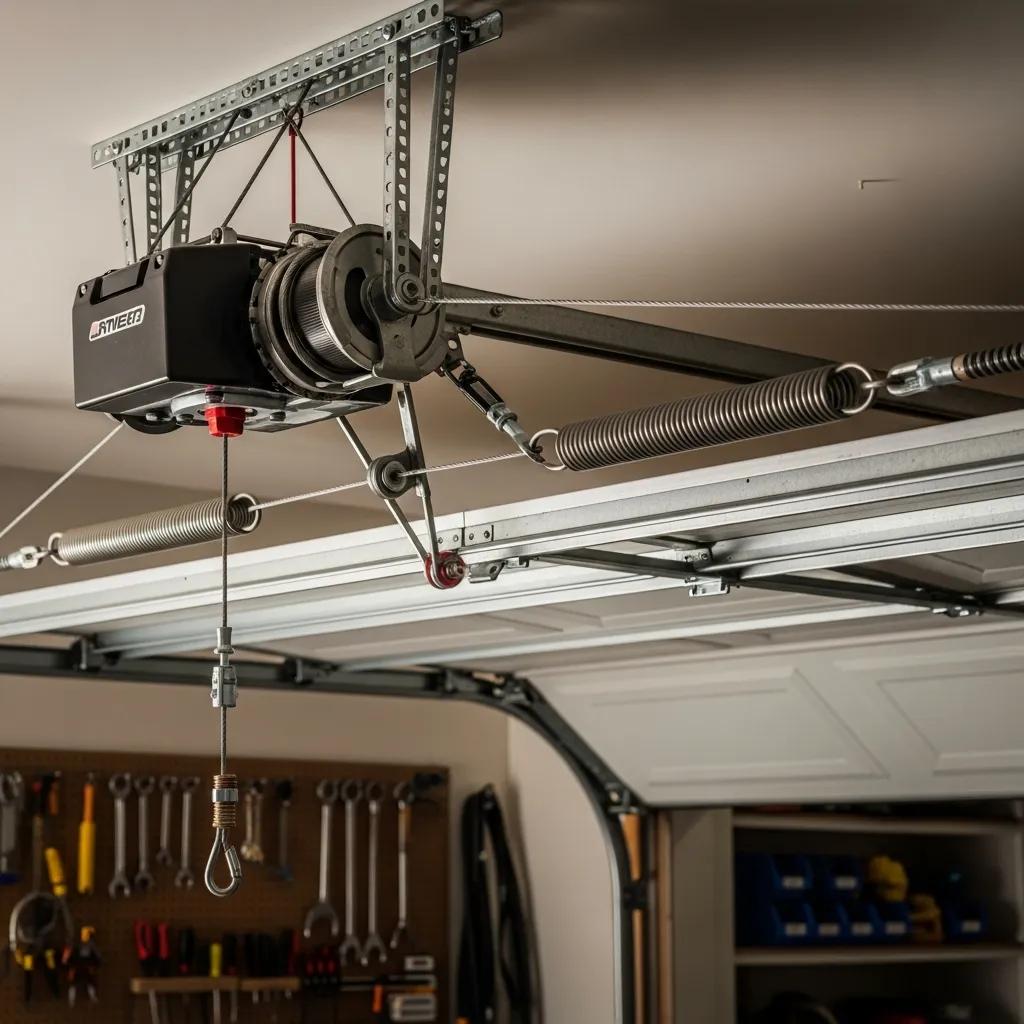
Garage Door Spring Maintenance: Your Local Guide to Repair, Lubrication & Replacement Costs
Garage door springs hold the tension that lets your door lift and lower safely. Regular spring maintenance lowers safety risks and helps those parts last longer.
This guide covers how torsion and extension springs work, how to inspect and lubricate them safely, how to spot early failure, and what replacement typically costs around Sacramento and nearby counties.
When homeowners understand spring basics and follow simple care steps, they can avoid sudden failures and expensive repairs. Knowing when to call a pro also protects your family and property.
We walk through spring types, a practical inspection and lubrication checklist, failure diagnostics and immediate steps to take, cost drivers for replacement, safety best practices, and the professional services available locally. Along the way you’ll find actionable tips for garage door spring lubrication, torsion spring maintenance, extension spring maintenance, and garage door spring repair Sacramento.
What Are the Different Types of Garage Door Springs and Their Functions?
There are two main spring systems: torsion springs and extension springs. They differ in where they sit, how they store energy, and how they help your door move. Torsion springs mount above the door on a torsion tube and create torque when wound. Extension springs run along the sides of the tracks and store energy by stretching. Torsion systems generally provide smoother, more balanced lifting and are better for heavier or frequently used doors; extension systems are simpler and common on lighter residential doors. Knowing these differences helps you read symptoms, plan maintenance, and decide whether conversion or professional replacement makes sense.
This quick comparison emphasizes what each system needs for safe service. If you’re unsure which spring you have, Overhead Door Company of Sacramento Inc. inspects both torsion and extension systems and can provide an on-site diagnosis and tailored quote. Having a technician confirm your spring type prevents misdiagnosis and keeps repairs safe.
Different spring types summarized for quick reference:
| Spring Type | Typical Location | Primary Function |
|---|---|---|
| Torsion Spring | Mounted above the door on a torsion tube | Stores rotational energy to counterbalance the door’s weight |
| Extension Spring | Along the horizontal tracks at the door sides | Stores energy by stretching to assist the opener in lifting |
| Contained Safety Systems | Used with either spring type | Safety cables or containment reduce the risk of flying parts |
How Do Torsion Springs Work and What Is Their Lifespan?
Torsion springs wind around a torsion bar and store rotational energy that lifts and balances the door. Lifespan is measured in cycles—many springs are rated for roughly 10,000 to 15,000 cycles under normal use. Heavy daily use, rust, or extreme temperatures can shorten that life. Watch for gaps in coils, persistent creaks during travel, or a door that becomes unbalanced—these are common signs of torsion spring wear. Knowing how torsion springs operate helps you plan replacements and choose springs with the right cycle rating when serviced.
What Are Extension Springs and How Do They Differ from Torsion Springs?
Extension springs run beside the door tracks and store energy by elongating; when the opener pulls, the springs retract and help lift the door. Unlike torsion springs, extension springs use linear tension rather than torque. Because a failed extension spring can release energy outward, these systems often require safety cables or sleeves. Extension springs are usually simpler and less expensive, but they may wear faster under heavy cycles and can make door movement feel more abrupt as they fail. Understanding this helps set expectations for inspection frequency and safe homeowner checks.
How to Safely Inspect and Lubricate Garage Door Springs?
Regular, safe inspections and targeted lubrication reduce wear, improve balance, and delay replacement. A basic visual check looks for rust, gaps, loose hardware, frayed cables, and uneven door travel. Lubrication lowers friction on bearings, cones, and spring coils to preserve operation. Homeowners can do non-intrusive inspections and apply recommended lubricants, but should never wind or adjust springs themselves—those tasks require professional tools and training. Use a safety-first routine and call a technician if you find serious wear or broken parts.
The next section explains which lubricants work best and why some common sprays are poor substitutes. For warranty protection and in-depth safety checks, consider scheduling professional maintenance with a certified spring technician.
This homeowner checklist helps structure safe visual inspections:
- Look for visible gaps or separation in coils: A gap usually means a broken spring.
- Check cables and drums for fraying or misalignment: Damaged cables are a safety hazard and affect balance.
- Listen for unusual noises during operation: Grinding, snapping, or consistent creaks signal wear or imminent failure.
What Are the Recommended Lubricants for Garage Door Springs?
Use silicone-based sprays or white lithium grease for garage door systems. These reduce friction without attracting a lot of dirt and hold up to moisture and temperature swings. Avoid penetrating solvents or general-purpose spray cleaners—they strip protective coatings and can accelerate corrosion. Sprays are great for even coverage in tight coil spaces, while thicker greases suit bearings and tracks. The right product protects spring coatings and keeps operation smooth across seasons.
| Lubricant | Suitability for Springs | Weather Resistance |
|---|---|---|
| Silicone Spray | Ideal for spring coils; thin film resists dirt buildup | High resistance to moisture and temperature change |
| White Lithium Grease | Better for bearings and track components; thicker film | Moderate resistance; good for heavy-load parts |
| Spray-on Aerosol Lubricant (non-solvent) | Easy to reach tight spots; choose low-residue formulas | Varies by product; pick moisture-resistant types |
What Is the Step-by-Step Process for Lubricating Springs Safely?
Start by closing the door and disconnecting the opener to prevent accidental movement. Perform a visual check for broken coils or frayed cables—those require a pro. Wearing safety glasses and gloves, apply a light silicone spray along the full spring length, winding cones, bearings, and pivot points. Avoid overspray on the door surface and wipe any drips to prevent dirt buildup. Reconnect the opener and cycle the door several times to spread the lubricant evenly, listening for improved balance and quieter operation. If noise or imbalance persists, stop DIY work and call a certified technician.
Even routine homeowner lubrication is helpful, but professional maintenance is important for tension checks and a full-system inspection; the next section covers signs that need immediate professional attention.
What Are the Signs of a Broken Garage Door Spring and Immediate Actions to Take?
Broken springs usually give clear warnings and require prompt action because continued operation risks damage or injury. Typical signs include a loud snap at failure, a door that’s suddenly very heavy or won’t open manually, visible coil separation, uneven travel where one side lags, and an opener that runs but can’t lift the door. Recognizing these signs quickly lets you secure the area, avoid DIY fixes, and gather details for service. Fast professional response limits collateral damage to cables, drums, and the opener and reduces risk to people and vehicles.
After spotting failure indicators, these steps protect safety and preserve evidence for the technician.
Homeowner immediate actions checklist:
- Keep clear of the door and keep others away to prevent injury from falling parts.
- Do not operate the opener or try to lift a door with a broken spring—this can release dangerous tension.
- If safe to do so, secure vehicles and belongings inside the garage and photograph visible damage for the technician.
How Can You Identify a Broken or Worn Garage Door Spring?
Start with non-contact observations: listen for a snap, notice if the door won’t open or opens unevenly, and look from a distance for coil gaps. Heavy rust, pitting, or missing coils are signs of advanced wear. Frayed cables and bent drums often show up alongside spring failure. Never touch springs or try to alter tension—springs store hazardous energy. When unsure, take clear photos and notes about symptoms to share with a professional; that speeds accurate triage.
Why Is Professional Help Essential for Broken Spring Repairs?
Professional repair is essential because spring replacement and tensioning need specialized tools like correct winding bars and calibrated cones, plus training to handle stored energy safely. DIY spring work risks catastrophic release, serious injury, or damage to panels and the opener if tension is incorrect. Certified technicians confirm compatibility and cycle ratings, perform safe installation, and normally back their work with parts warranties and calibration checks that homeowners can’t replicate. For safety and lasting reliability, call a trained spring technician.
How Much Does Garage Door Spring Replacement Cost in Sacramento and Surrounding Areas?
Replacement cost depends on spring type, door size, labor, and whether service is scheduled. Torsion spring jobs typically cost more because of parts and labor complexity, but they often deliver better long-term performance on heavier doors. Other cost drivers include replacing cables, drums, or bearings, and whether a diagnostic visit is required before work begins. Understanding these variables helps you compare estimates and ask the right questions when getting local quotes.
| Cost Factor | Attribute | Typical Impact on Price |
|---|---|---|
| Spring Type | Torsion vs. extension | Torsion usually increases parts and labor costs |
| Labor | Access, door weight, technician time | Higher labor for heavy or complex installations |
| Additional Parts | Cables, drums, bearings | Replacing worn components raises total cost |
What Factors Influence the Cost of Spring Replacement?
Key factors include spring type (torsion or extension), door size and weight (which determine spring specs), needed extra parts like cables and drums, and whether the job is urgent. Labor increases for commercial or oversized doors and when multiple components must be replaced. Location and service area coverage can affect rates, too. Ask for a written, itemized estimate so you can see parts and labor separated. Comparing scenarios—like a single-car torsion spring replacement versus a paired extension setup on a double door—helps illustrate how estimates come together.
What Are the Benefits of Choosing Overhead Door Company of Sacramento for Spring Replacement?
Overhead Door Company of Sacramento Inc. provides authorized parts, trained technicians, and local coverage across Sacramento and nearby counties. We offer diagnostic inspections, torsion and extension spring replacement, preventive tune-ups, repairs, parts supply, financing, and free estimates so homeowners can make informed choices. Our technicians arrive prepared to assess related components and recommend bundled repairs that reduce repeat visits. Choosing an authorized provider helps ensure parts compatibility, technician accountability, and reliable warranties.
What Safety Tips Should Homeowners Follow Regarding Garage Door Springs?
Safety is the top priority when it comes to garage door springs. Never wind, unwind, or replace springs without proper tools and training. Keep children and pets away during inspections or repair, and use recommended lubricants rather than solvent cleaners. Set a maintenance routine—visual checks and lubrication 1–2 times per year, plus an annual professional inspection—to reduce unexpected failures and extend component life. These habits protect people, preserve door alignment, and lower the chance of repairs.
The following quick dos and don’ts are easy actions you can adopt immediately.
- Do schedule annual professional inspections to check tension and component wear.
- Do lubricate springs and moving parts 1–2 times per year with recommended products.
- Don’t attempt spring winding or replacement without certified tools and training.
- Don’t run the opener if the door is visibly unbalanced or a spring looks compromised.
Why Is DIY Garage Door Spring Repair Dangerous?
DIY spring repair is dangerous because springs store significant mechanical energy. A slipped winding bar or incorrect torque can release that energy suddenly, causing severe injury or worse. Incorrectly installed springs can also leave your door unbalanced, which may damage panels, the opener, or cause uncontrolled door descent. Insurance and warranties can be voided if unlicensed work is performed, leaving homeowners financially responsible for damages. For these reasons, trained professionals are the safest, most reliable choice.
How Often Should You Schedule Professional Spring Maintenance and Inspections?
We recommend homeowners perform visual inspections and lubrication 1–2 times per year and book a full professional inspection at least annually—or more often for high-use doors. Increase inspection frequency if you notice more noise, jerky movement, rust, or visible cable or coil damage. Professional checks usually include tension measurements, hardware tightening, balance testing, and an opener interface review. Regular maintenance reduces calls and can extend spring life by ensuring correct tension and part compatibility.
What Professional Garage Door Spring Repair and Maintenance Services Are Available?
Professional providers offer a full range of spring services to diagnose, correct, and prevent failures while restoring safe door operation. Common offerings include on-site diagnosis and balancing, torsion and extension spring replacement, repairs, preventive tune-ups, replacement of related parts such as cables and drums, and supply of authorized components. A typical service visit begins with a safety assessment, followed by a written estimate, repair or replacement work, calibration and balance testing, and a demonstration of the repaired door. Clear communication about parts, warranties, and financing helps homeowners choose the best long-term solution.
The service checklist below outlines what homeowners should expect from a professional visit.
- Diagnosis and written estimate: Technician inspects and itemizes recommended work.
- Repair or replacement: Technicians replace springs and any associated worn parts.
- Calibration and testing: After repairs, the system is balanced and operational tests are performed.
What Services Does Overhead Door Company of Sacramento Offer for Spring Maintenance?
Overhead Door Company of Sacramento offers diagnostic inspections, torsion and extension spring repair and replacement, preventive tune-ups, authorized parts supply, repairs, and financing options with free estimates. Our authorized distributor status gives access to genuine parts and trained technicians who follow manufacturer procedures for safe installation and tensioning. Service appointments include a clear estimate and explanation of recommended repairs so homeowners understand cost drivers and options.
How Can You Request Routine Spring Repair Services?
When you call for routine service, be ready with the door type (residential or commercial), observed symptoms (loud snap, can’t open, uneven travel), whether the door is stuck open or closed, and any visible damage like separated coils or frayed cables. Tell the dispatcher if the issue is a routine concern (noisy operation, gradual decline). Expect a technician in a fully equipped service vehicle to perform a safety assessment, provide a written estimate, and complete repairs with post-service testing. Ask about authorized parts, warranty, and financing options during the visit.
Providing this intake information helps technicians arrive with the right tools and parts, minimizing return trips and speeding up safe repairs.
Frequently Asked Questions
What are the common causes of garage door spring failure?
Springs fail from normal wear and tear, corrosion from moisture, extreme temperature swings, and lack of maintenance. Improper installation or using the wrong spring for your door’s weight also shortens service life. Overuse without proper lubrication can accelerate breakdown. Regular inspections and timely maintenance catch problems early.
How can I tell if my garage door springs need replacement?
Look for visible gaps in the coils, heavy rust or pitting, and unusual noises like creaks or snaps. If the door feels much heavier, doesn’t open smoothly, or hangs unevenly, those are common signs that springs may need replacement. When you see these symptoms, have a professional inspect the system.
Can I lubricate my garage door springs myself?
Yes—homeowners can lubricate springs safely if they follow precautions. Disconnect the opener, wear safety glasses and gloves, and use a silicone-based spray or white lithium grease. Avoid over-application and wipe away drips. If you notice significant wear or damage while lubricating, contact a professional for a full assessment.
What should I do if my garage door spring breaks?
If a spring breaks, stay away from the door and keep others clear. Don’t run the opener or try to lift the door manually. Photograph any visible damage and call a professional technician immediately. Quick, correct action helps prevent further damage and keeps everyone safe.
How can I improve the lifespan of my garage door springs?
Extend spring life with regular maintenance: schedule annual professional inspections, lubricate moving parts 1–2 times per year, avoid overloading the door, and address noise or imbalance promptly. Keeping the area clean and fixing small issues early prevents bigger failures.
What are the risks of ignoring garage door spring maintenance?
Ignoring maintenance can lead to sudden spring failure, unexpected door drops, and injuries. Neglected springs also increase wear on the opener and other components, potentially causing expensive repairs. A malfunctioning door can compromise home security. Regular care prevents emergencies and prolongs component life.
Conclusion
Keeping your garage door springs in good shape is one of the smartest safety and maintenance steps a homeowner can take. Understanding spring types, following safe inspection and lubrication steps, and calling a professional when needed will reduce repairs and keep your door working smoothly. For expert help and a local, accurate estimate, schedule an inspection with Overhead Door Company of Sacramento Inc.—your local team for spring repair, maintenance, and replacement.