Repair vs Replace: Garage Door Panels Explained
Deciding whether to repair or replace garage door panels is a primary consideration in garage door maintenance. Recognising common damage types, comparing costs, and applying correct maintenance protocols can extend panel service life. This guide provides the information required to make a reasoned decision that aligns with operational needs and budgetary constraints.
This article explains how to identify common panel damage, when repair is appropriate, how repair and replacement costs compare, what the replacement process entails, and which maintenance practices prolong panel life. Readers will gain a clearer basis for selecting the most suitable course of action for their garage door.
How to Identify Common Garage Door Panel Damage Types?
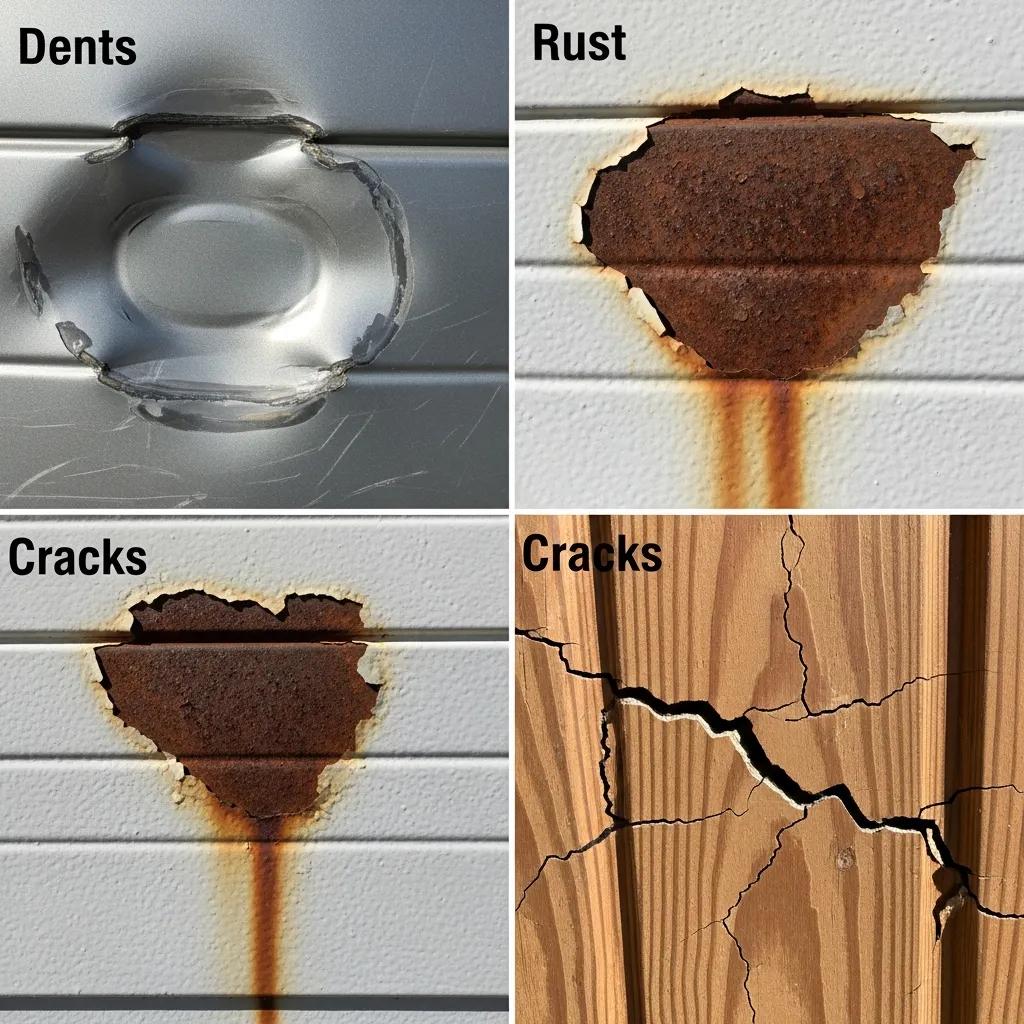
Accurate identification of panel damage is essential to determine the correct remedial action. Common defects include dents, corrosion, cracks, and warping. Dents typically result from impacts; corrosion affects metal panels exposed to moisture; cracks may originate from ageing, impact, or thermal cycling; and warping is often caused by prolonged moisture exposure or environmental stress.
Visible damage often coincides with functional problems and should not be disregarded. If the door does not open or close smoothly, or operation is noisy, panel damage or related mechanical faults may be present. For significant or uncertain damage, engage a qualified technician for assessment and recommendations.
When Should You Repair vs Replace Garage Door Panels?
Selecting repair or replacement depends on multiple factors. The following considerations will assist in making an informed decision:
- Extent of Damage : If the damage is minor, such as a small dent or scratch, repair may be the most cost-effective solution. However, extensive damage, such as large cracks, severe rust, or warping that affects door operation, may warrant replacement.
- Age of the Door : The age of your garage door plays a crucial role in this decision. If your door is nearing the end of its lifespan (typically 15-30 years depending on the material and usage), replacement might be a better investment than repairing a panel that could fail soon.
- Cost-Effectiveness : Evaluate the costs associated with both options. Repairing a panel is generally less expensive than replacing it, but if repairs are frequent or the door is old, replacement may be more economical in the long run.
Research frameworks can inform repair-versus-replace decisions by clarifying the wider financial implications and implementation requirements.
Cost-Benefit Analysis Framework for Repair Decisions
This study presents a cost–benefit analysis framework that links program design variables—such as participation rate, identification rate, and effective repair rate—to public health benefits and program costs. The framework assists decision makers in determining minimum implementation thresholds that ensure benefits exceed implementation costs.
Evaluating and improving the effectiveness of vehicle inspection and maintenance programs: a cost-benefit analysis framework, Y Li, 2017
For property owners evaluating options, Overhead Door Company of Sacramento Inc. offers both repair and replacement services and can provide solutions tailored to specific operational and aesthetic requirements.
What is the Cost Comparison Between Garage Door Panel Repair and Replacement?
Assessing the financial implications of repair versus replacement is essential. The following table summarises typical cost ranges for these services in the United States.
| Service Type | Average Cost | Description |
|---|---|---|
| Garage Door Panel Repair | $150 – $350 | Costs vary based on the extent of damage, labor, and materials used. Minor dent repairs may be at the lower end of the range. |
| Garage Door Panel Replacement | $400 – $1,200 per panel | Replacement costs depend on the type of door, panel material, door size, and installation fees. Complete door replacement ranges higher. |
Repair is generally less expensive than replacement and is appropriate for minor defects. When a door is aged or requires frequent repairs, replacement may provide superior long-term value.
The principles of cost–benefit analysis provide a structured method for comparing alternatives and assessing trade-offs in complex decisions.
Critical Overview of Cost-Benefit & Decision Analysis
Motivated in part by consumer and environmental concerns, proposals for major public and private projects are increasingly scrutinised through cost–benefit analysis, decision analysis, and risk assessment. This paper offers a critical overview of these approaches, discussing their rationale, suitability as decision-making tools, common limitations, potential misuse, and recommendations to enhance their contribution to society.
Cost benefit analysis and the art of motorcycle maintenance, B Fischhoff, 1977
What Does the Garage Door Panel Replacement Process Involve?
Panel replacement follows a defined sequence of steps to ensure correct fit and reliable operation. The summary below outlines the typical stages required for a successful replacement.
- Measuring the Damaged Panel : Accurate measurements are crucial to ensure the new panel fits correctly within the existing frame.
- Ordering a New Panel : Once measurements are taken, a new panel can be ordered. It’s essential to choose a panel that matches the existing door in terms of material and color. Custom panels may take additional time.
- Installation Steps : The installation process typically involves removing the damaged panel, fitting the new panel into place, and ensuring all components are securely attached and aligned.
Given the technical requirements, engaging a professional service such as Overhead Door Company of Sacramento Inc. helps ensure the replacement is completed correctly and with minimal disruption.
How Can Maintenance Extend the Life of Garage Door Panels?
Routine maintenance is central to prolonging panel service life. The practices below reduce wear and limit the need for early repair or replacement.
- Regular Inspections : Conducting routine checks for signs of wear and tear can help catch issues early before they escalate into more significant problems.
- Lubrication : Keeping the moving parts of your garage door well-lubricated can prevent unnecessary strain on the panels and mechanisms.
- Cleaning : Regularly cleaning the panels helps remove dirt, debris, and road salts that can cause damage over time.
- Addressing Minor Issues Promptly : Taking care of small problems as they arise can prevent them from developing into more significant issues that require costly repairs or replacements.
Consistent application of these maintenance measures can materially extend panel lifespan and preserve both functionality and appearance.
Frequently Asked Questions
What are the signs that my garage door panels need repair or replacement?
Indicators that panels require attention include visible dents, cracks, or corrosion. Functional symptoms such as rough or noisy operation, failure to open or close smoothly, and panel misalignment or warping also signify potential issues. Regular inspections enable early detection and timely intervention.
Can I replace a single garage door panel, or do I need to replace the entire door?
A single panel can often be replaced when the damage is confined and the remaining panels are in sound condition. If multiple panels are compromised or the door is at the end of its serviceable life, full door replacement may be more economical and provide better long-term performance.
How long does the garage door panel replacement process typically take?
Replacement typically requires a few hours, subject to complexity and the number of panels replaced. The overall timeline includes measuring, ordering any required parts, and installation. A qualified contractor can provide a specific time estimate based on the door type and site conditions.
What materials are commonly used for garage door panels?
Common panel materials include steel, aluminium, wood, fibreglass, and vinyl. Steel offers strength and low maintenance; wood provides aesthetic appeal but requires more upkeep; fibreglass is lightweight and resists corrosion; vinyl offers a low-maintenance alternative. Material selection affects insulation, appearance, and lifecycle performance.
How can I prevent future damage to my garage door panels?
Preventive measures include scheduled inspections, maintaining correct door alignment, keeping components clean, and lubricating moving parts to reduce friction. Promptly addressing minor defects and using protective guards or bumpers where appropriate can further reduce the risk of impact damage.
Is it worth investing in a high-quality garage door panel?
Investing in higher-quality panels can be advantageous over time. Superior materials typically deliver improved durability, insulation, and aesthetics, which can enhance property value and reduce the frequency of repairs. Evaluate budget, local climate, and expected ownership duration when assessing value.
Conclusion
Choosing between repair and replacement affects both the operational performance and appearance of the garage door. By understanding damage types, cost implications, and appropriate maintenance, property owners can make an evidence-based decision. For customised advice and service, consider contacting Overhead Door Company of Sacramento Inc. to review options and ensure the door remains in optimal condition.